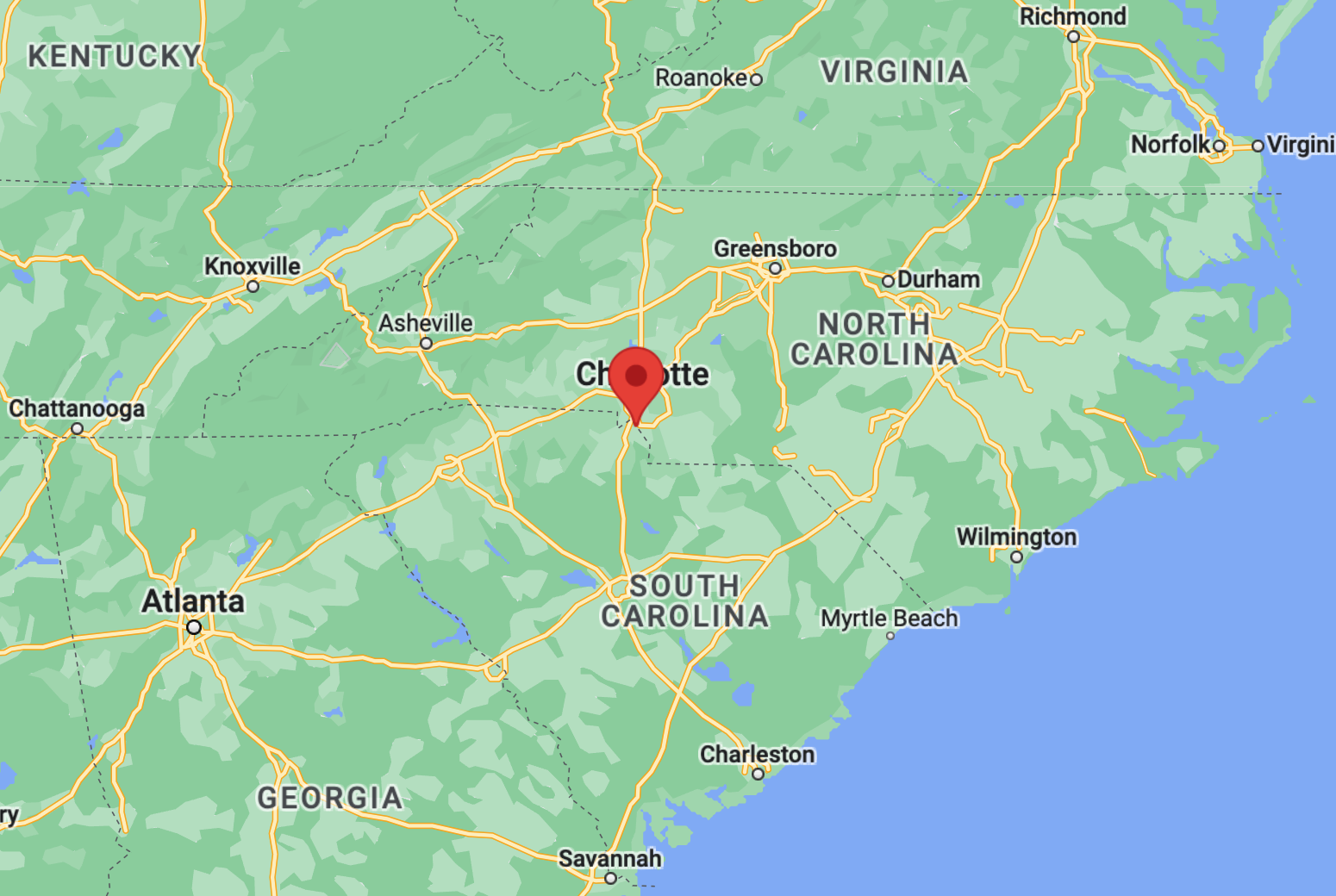
Inside a newly-renovated building in a Pineville shopping center, you’ll hear young children learning in Mandarin, Arabic, Spanish and English.
ILIM School, short for the International Language Immersion Montessori School, offers a new twist on a growing educational option. Language immersion means classes are conducted in the language students are trying to learn.
ILIM students also learn about global cultures. Dina Ahmed, Arabic teacher who came from Dubai, recently told her students about the drummer in many Arabic-speaking countries who awakens people before dawn during Ramadan, when Muslims fast between sunrise and sunset.
It’s a little off-topic, but interesting that Stanford has dropped Cantonese, spoken by 70 million people in China. It’s also closer to classical Chinese, T’ang dynasty poems that don’t rhyme in Mandarin do rhyme in Cantonese, for example.
Laura Ng had a dual motive for taking Cantonese classes at Stanford.
As a PhD student in anthropology, she was researching the history of the Inland Empire Chinatowns.
She also wanted to communicate better with her parents, immigrants from China who worked as a seamstress and a cook.
In late 2020, she was stunned to hear that Stanford, citing COVID-related budget problems, was laying off its longtime Cantonese teacher, Sik Lee Dennig.
As efforts began to save Cantonese at Stanford, the language remained under threat worldwide.
GREENVILLE, S.C. (FOX Carolina) – Is your child interested in learning a second language? A Greenville charter school is offering something that’s rare in South Carolina and enrollment is open for next year.
Speaking a second language is second nature for students at East Link Academy, a Chinese-immersion public charter school for elementary and middle school students.
“I feel like if my son learns a language like Mandarin, which is really hard and difficult to learn, he can learn any language after that,” parent Jeanne Boughner said.
Students in K-4 through 8th grade learn Mandarin through body language, visuals, and facial expressions.
Chinese and Vietnamese are, after Spanish, the most commonly spoken non-English languages in California, but they’re rarely taught in public schools because there’s not enough teachers to do the job.
The state issued nearly 1,200 bilingual accreditations in the 2020-2021 school year, but only 63 were for Mandarin Chinese and two for Vietnamese, according to the California Commission on Teacher Credentialing.
The total number of K-12 teachers accredited in Asian languages added up to 93.
Civil rights leaders on Monday joined with state legislators in calling for a one-time, $5 million state allocation to invest in a teacher training consortium for Asian languages, in hopes of moving some of the credentialing costs off the shoulders of teachers.
Delaware now offers Chinese immersion in 13 schools to 1,300 students.
In the Mandarin program, students take the AP exam in 9th grade and then can take college-level Chinese classes in high school, allowing them to graduate one course short of a Chinese minor.
Of the 100 students who began in the first Kindergarten Mandarin program, 47 continued on to high school.
However, two school district are phasing out their Mandarin immersion programs because attrition and COVID brought the number of students too low to be sustainable.
Delaware Public Media, May 27, 2022
Assessing language immersion after a decade in Delaware schools
With nearly 10,000 students currently enrolled and new grades still being added, Dual Language Immersion (DLI) programs are solidifying their position in Delaware’s public-school landscape.
Announced in 2011 by former Gov. Jack Markell and launched as a pilot program in three schools the following year, DLI programs offering either Spanish or Chinese are now operating in 12 of the 15 school districts that serve the elementary grades (all but Lake Forest, Laurel and Woodbridge). Two charter schools, Las Americas Aspira and Academia Antonia Alonso, offer Spanish immersion, and Odyssey Charter has the state’s only Greek immersion program.
Growth has been steady – from the original three schools to 29 in 2017 to 57 this year. Spanish is offered in 46 schools to about 8,500 students, Chinese in 13 to about 1,300. (Three schools offer immersion in both languages.)
Some of the first students to enter a Chinese immersion program – in the Caesar Rodney School District – are finishing their first year of high school by taking the Chinese Advanced Placement exam. They will have the opportunity to take three more years of Chinese classes in high school – and earning college credit for them – or learning a third language, making them trilingual before they earn their diplomas.
A Whole Site Modernization project is underway for Barnard Mandarin Magnet Elementary School at 2445 Fogg St. The school offers a Mandarin Chinese immersion program giving students from K-5 instruction in core academics in both English and Mandarin Chinese. The cost of Whole Site Modernization is projected to exceed $15 million with an anticipated construction start in the summer of 2023.
Americans’ foreign language complacency may stem from the knowledge that English remains the language of international business and diplomacy and is by far the most commonly studied second language around the world. But others’ knowledge of English is no substitute for Americans’ knowledge of foreign languages.
The war in Ukraine serves as a wake-up call to Americans to make competence in foreign languages an urgent economic, national security, and educational priority.




 Mandarin Immersion Parents Council