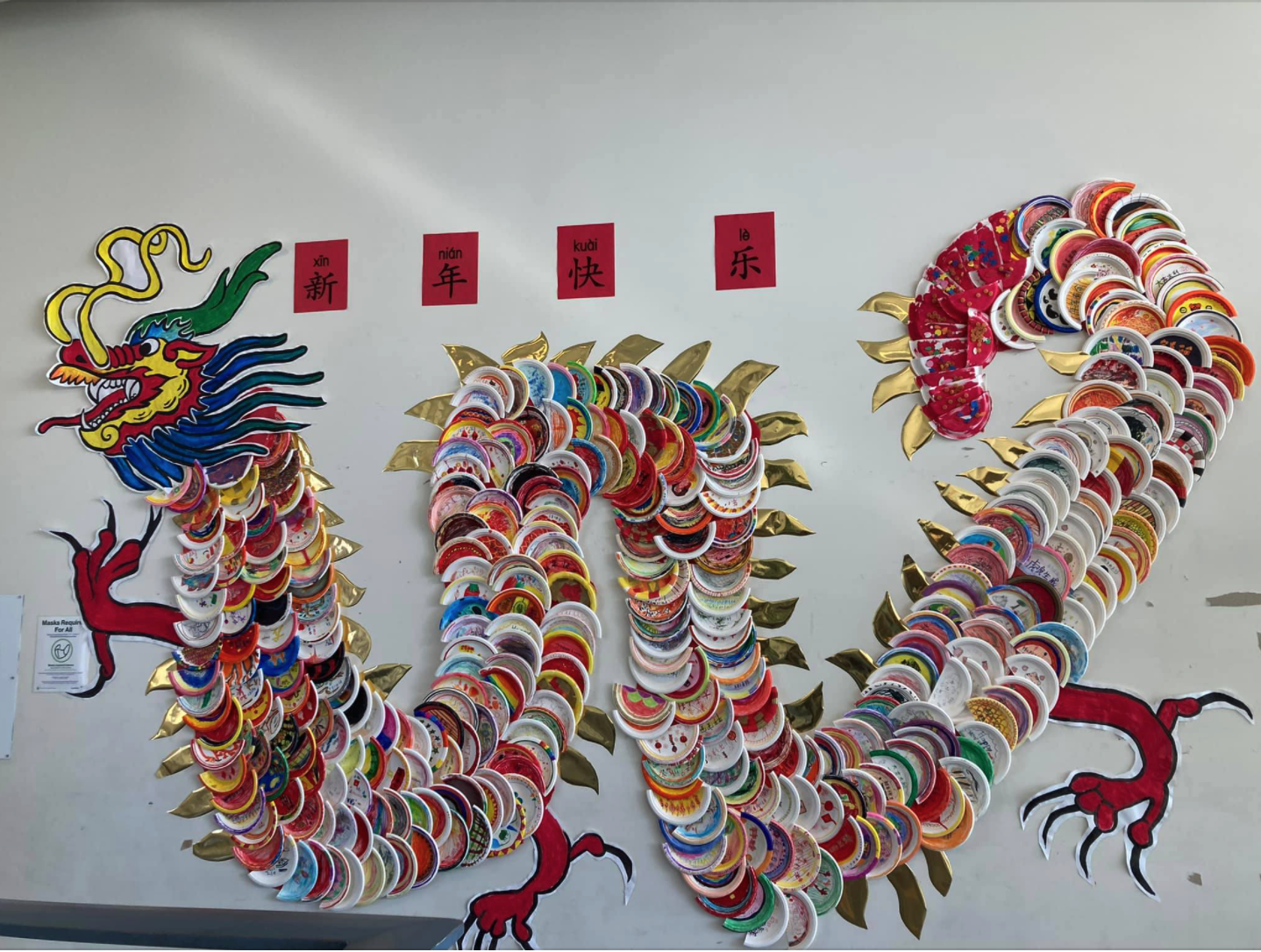
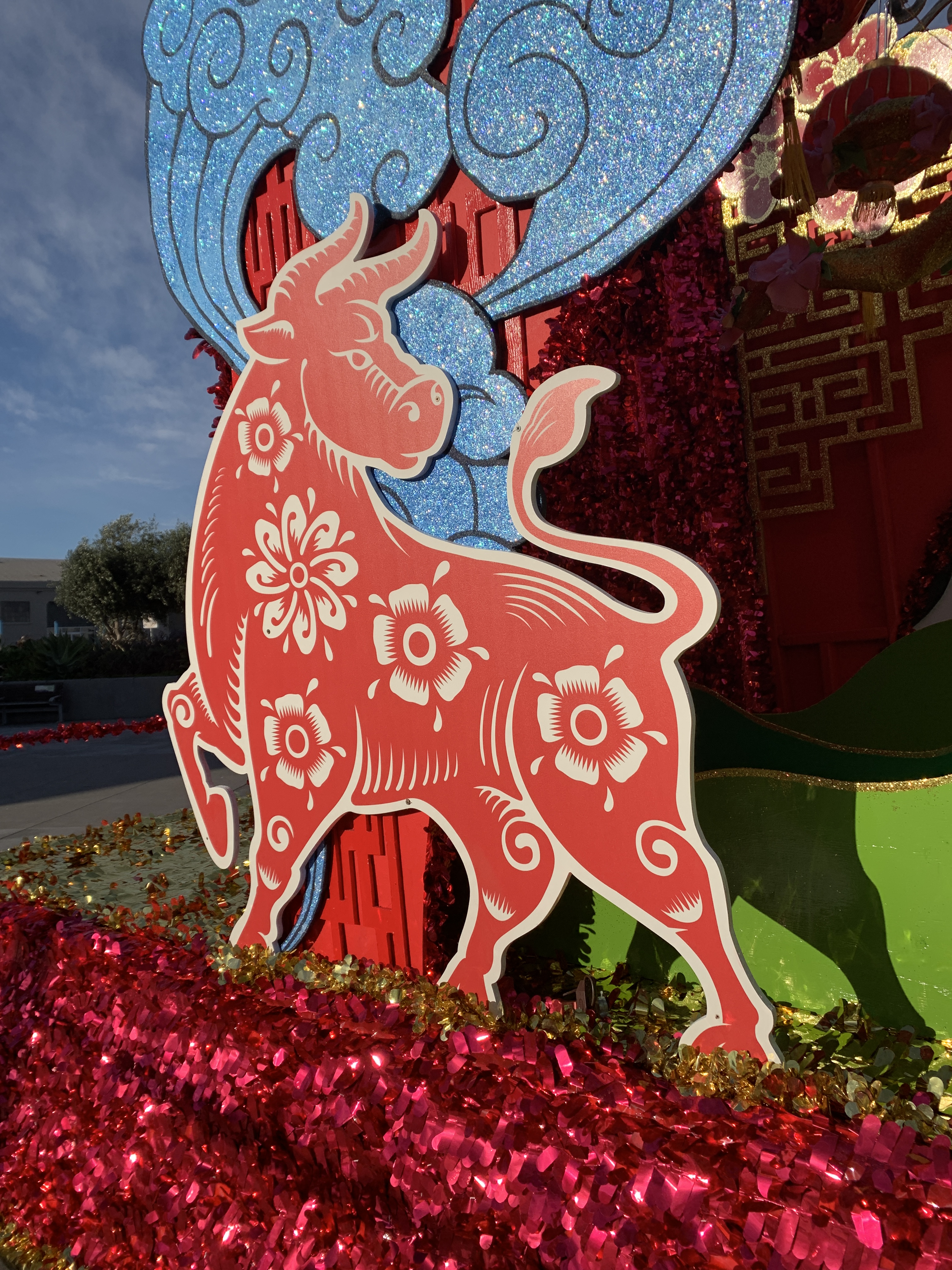
A New Year’s decoration from Jose Ortega Elementary in San Francisco, courtesy of Ms. Chang.
One of the great things about having kids in Mandarin immersion is you get to celebrate the Spring Festival with about 2 billion people around the globe.
It’s also when news sites tend to write about their local Mandarin immersion programs because adorable kids + fun costumes + “Wow, they speak Mandarin” is always a good news peg.
So here are three articles, about celebrations in Utah and Casper, Wyoming.
Back in 2010, I began this blog when my daughters were in grade school. As we’re just about to Chinese New Year, here’s a reprint of the first post I ever wrote. Happy Year of the Tiger to all the Mandarin immersion parents out there.
February 26, 2010
It’s a standing joke in the comics – the kid tells the parent at 7:30 am, “Oh, I’m supposed to bring two dozen cookies to school this morning.”
But if you’re a parent in Starr King’s Mandarin immersion program, the statement could just as well be “Chen Laoshi said I’m supposed to bring tang yuan to school today.
Great, the parent asks. What’s a tang yuan?
The answer, I was informed, is that it’s a dessert made from rice that’s served in a sweet soup.
Okay. How do you make it? No worries, my 3rd grader tells me, Chen Laoshi (teacher Chen) sent the stuff home in my pack.
Ah ha, I think. It’s a nice mix, like the ones you see in the Asian section at Safeway. How hard can this be?
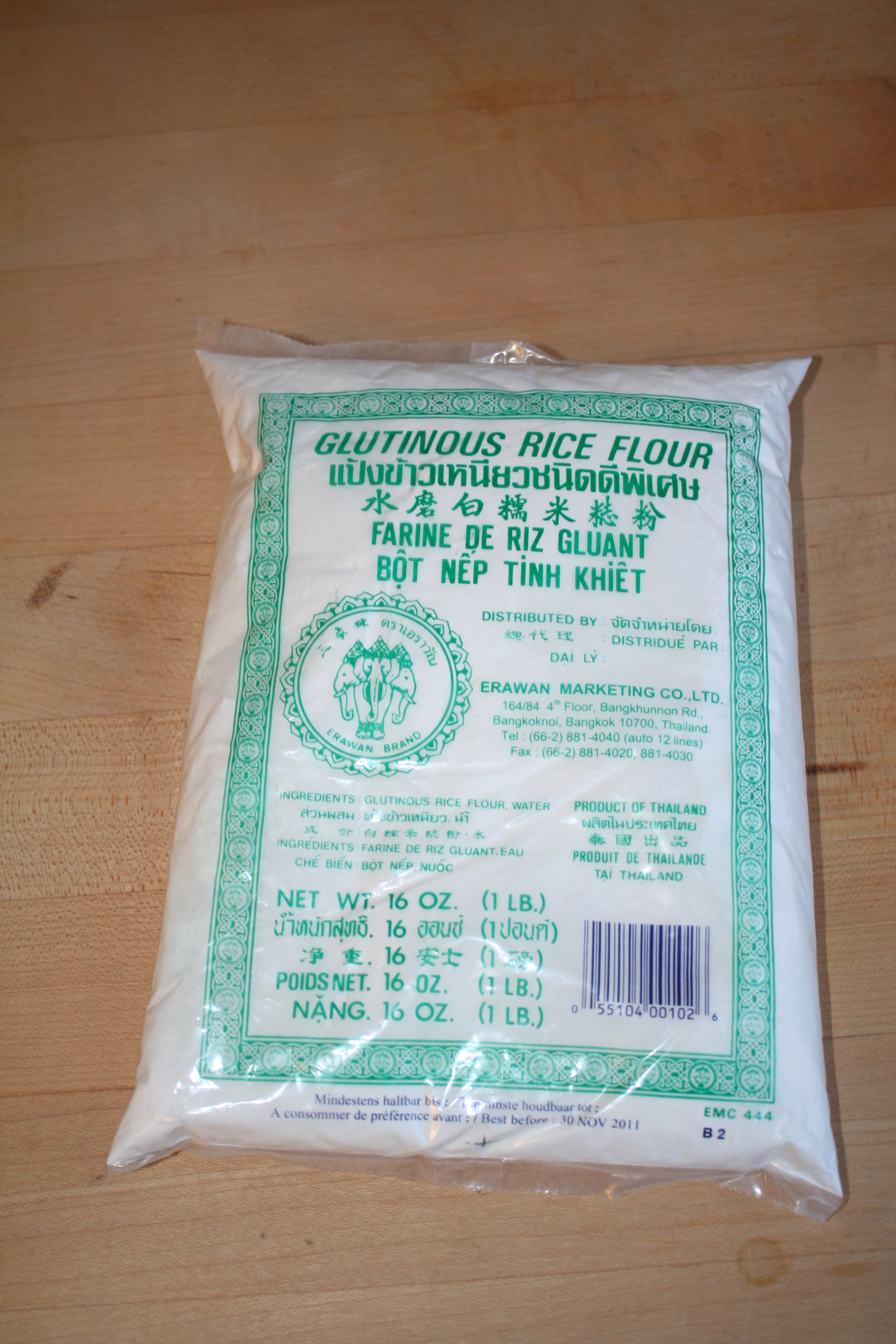
Then I looked in her pack. And this is what I found.
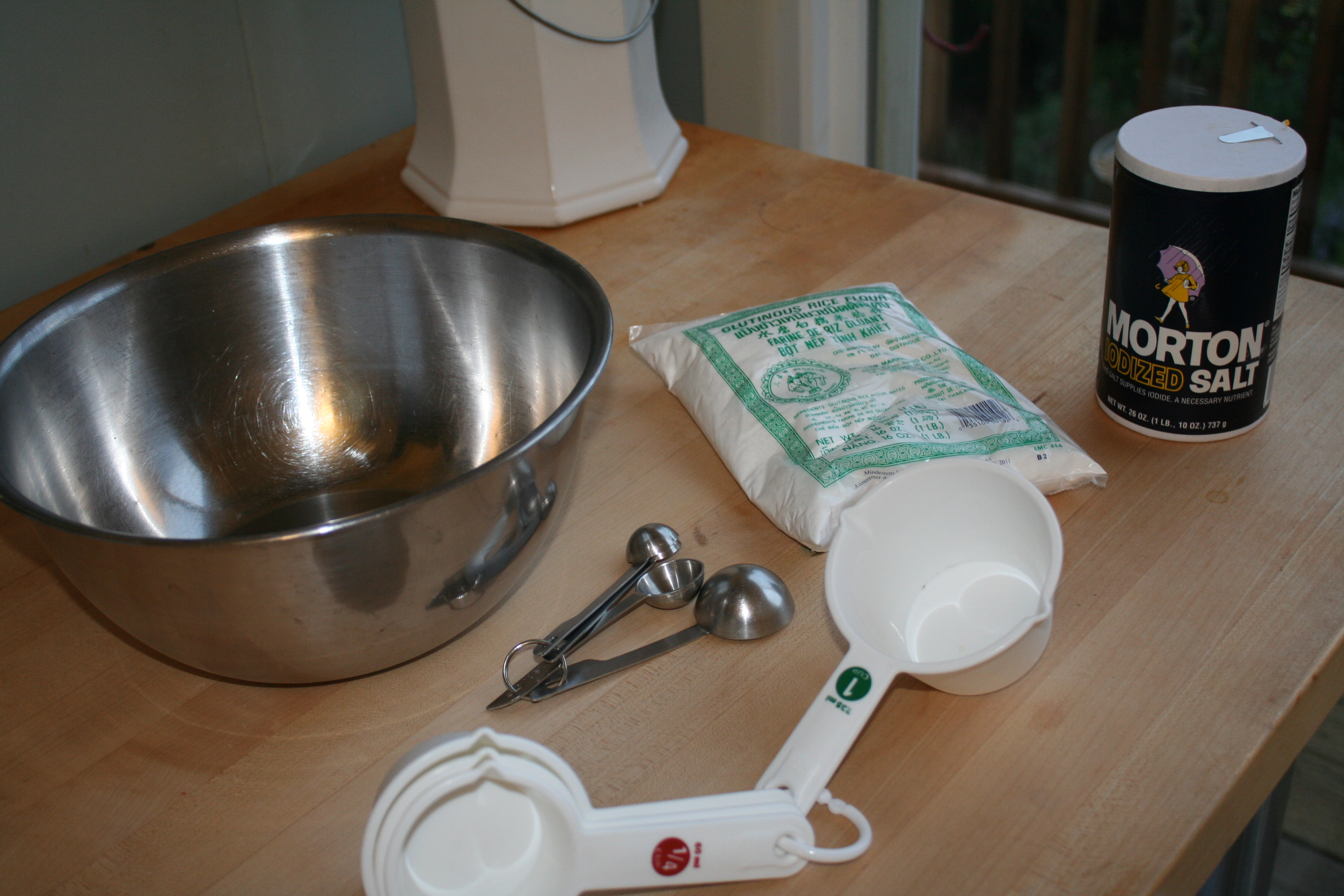
Okay. This is nothing a lifetime of relying on The Joy of Cooking has prepared me for. In fact, none of my cookbooks address this particular dilemma. Said 3rd grader is no help.
Thank goodness for the web. A search of tang yuan (at least our 3rd graders can spell pinyin, I’d have been totally lost if she’d written the characters) didn’t do much, but “glutinous rice ball” turned up a great recipe (fancier than we needed) but most importantly, the photo of the bag was the same – we were on the right track!
So we began. Mind you, it’s 7:15 am at this point and lunches haven’t been made, hair hasn’t been brushed, breakfast hasn’t been eaten. But rice balls must be made, it’s the Chinese New Year Festival at 1:30 and we’ve got to be ready!
Another web site suggested adding a little food coloring for interest. My 3rd grader insisted that Chen Laoshi used a package of strawberry jello (later confirmed at school) but we didn’t happen to have any. So food coloring it was.
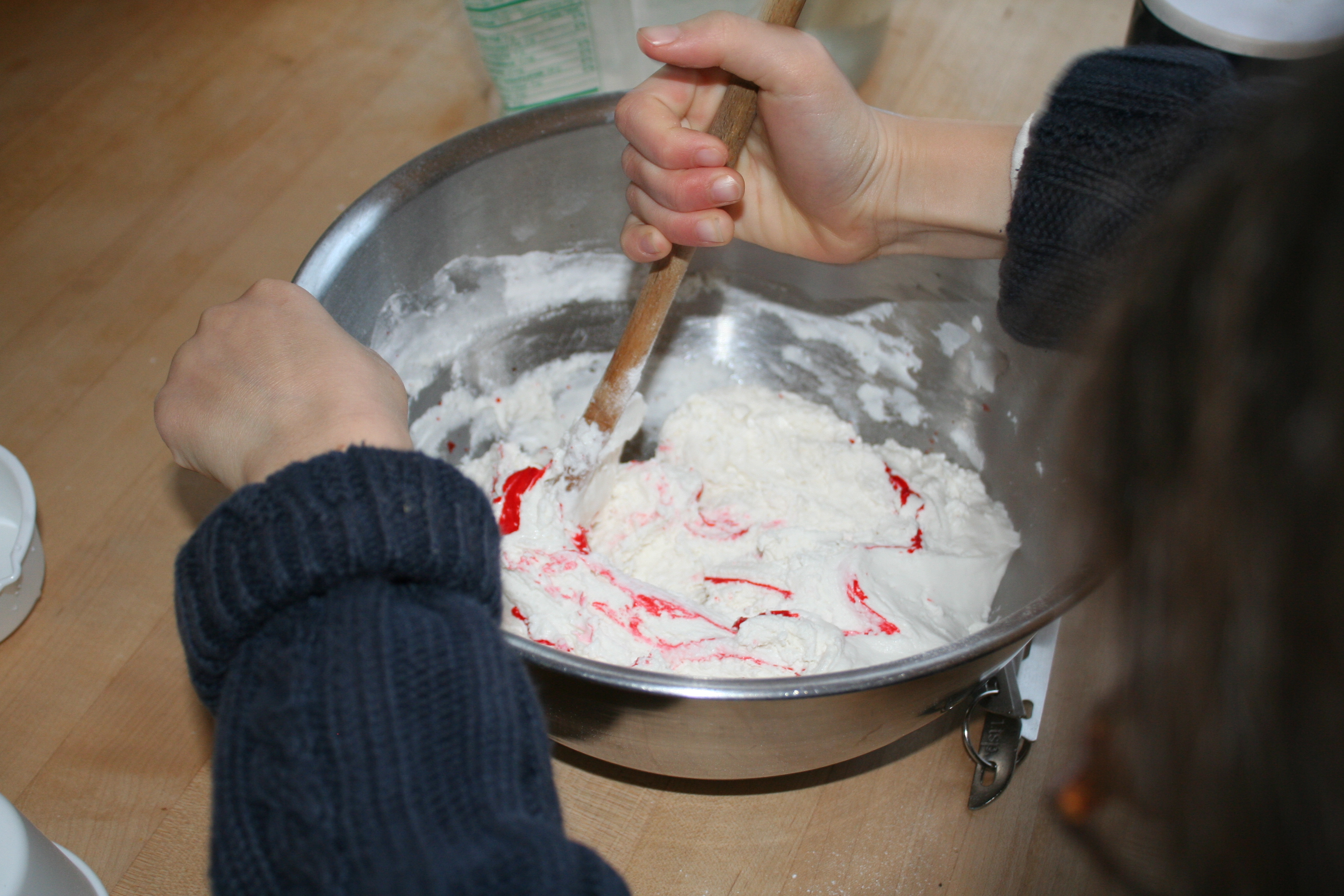
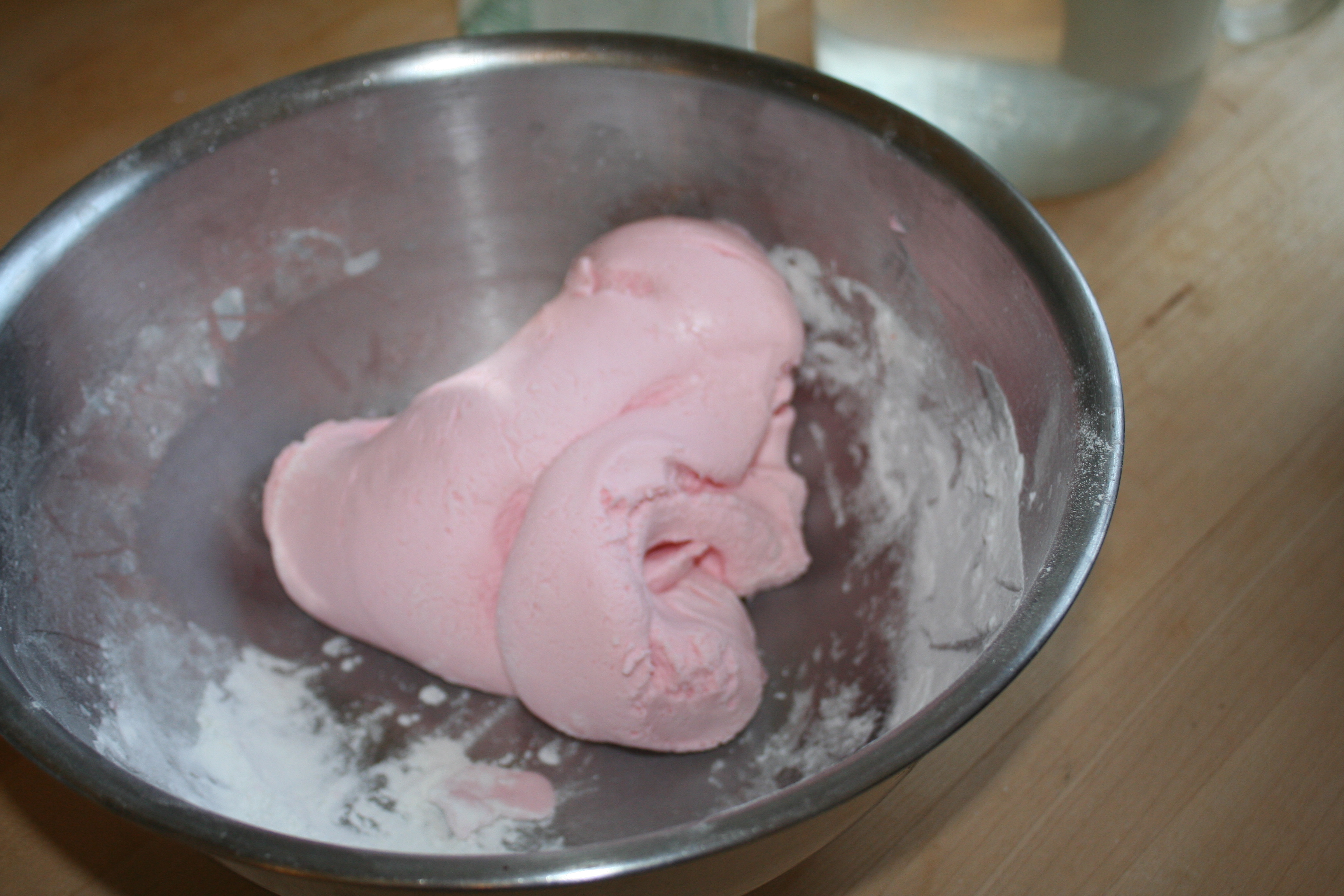
After a little somewhat heated discussion about what the texture of the dough should be (“But Ms. Chen said it should be wet!”) we ended up with this.
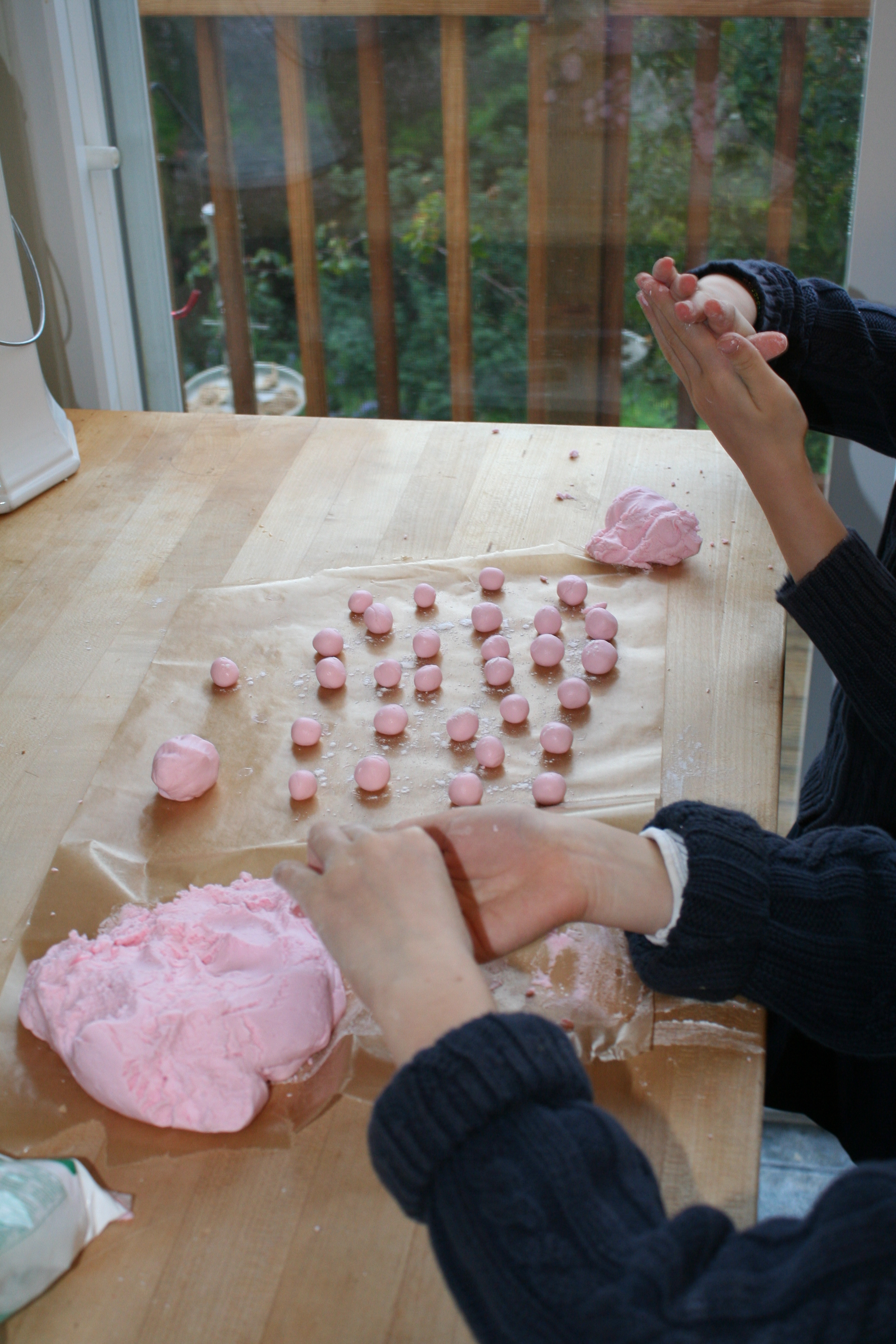
Next came the battle of the balls. I wanted big (i.e. more, faster) but the girls were adamant that they had to be little because they got bigger when they were cooked. So we went small.
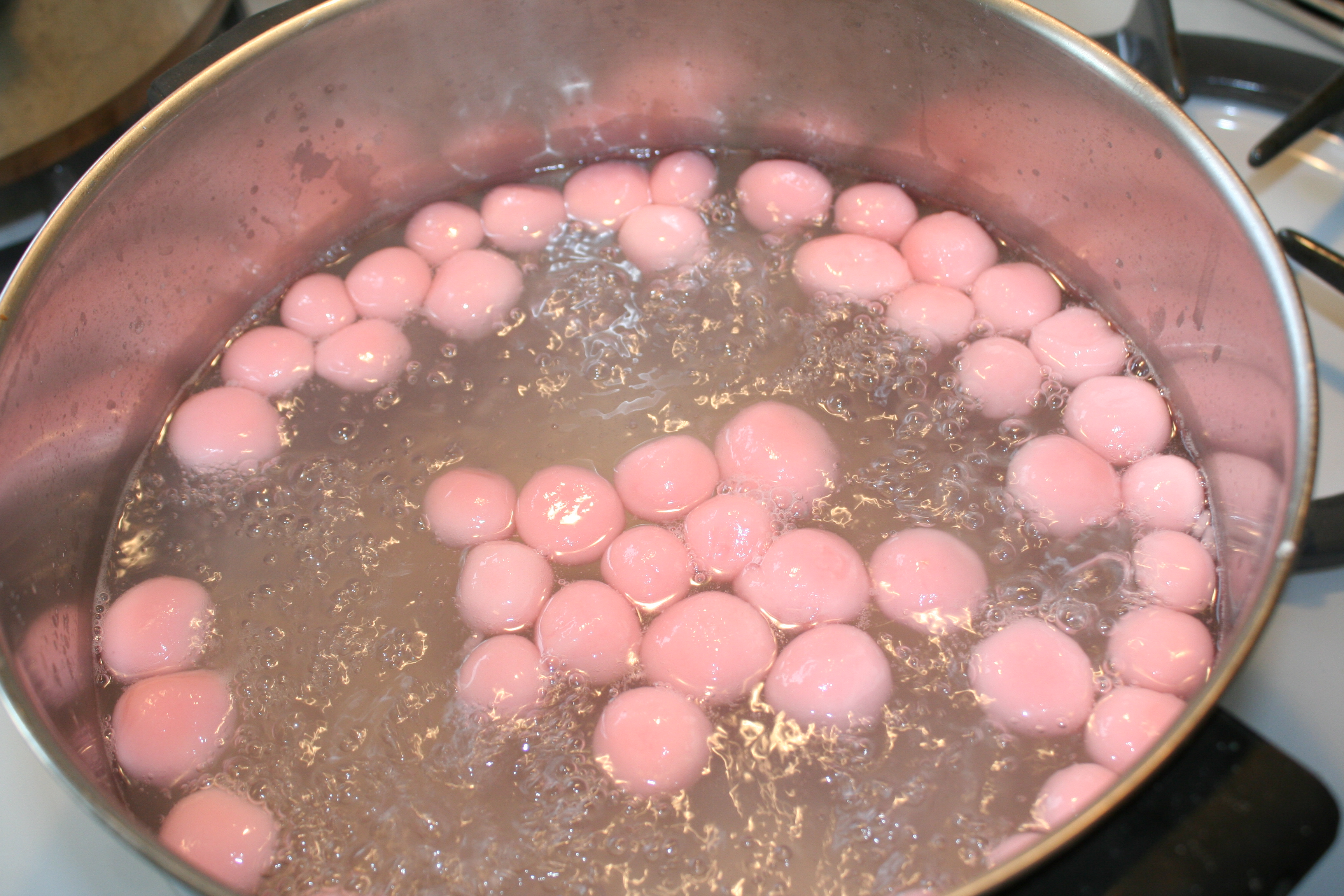
Next, you boil the tang yuan to cook them. I started in while the girls were busy rolling.
And rolling and rolling and rolling.
Eventually I realized I needed two pots going just to keep up.
We tasted some at this point. Let’s just say this, tang yuan are very bland. Clearly, it’s all about the sugar soup. They just taste like boiled rice flour with a slightly bitter edge that I still don’t know what was. I think the Thai idea of stuffing them with candied peanuts and then rolling them in coconut is a good one. But they did get bigger.
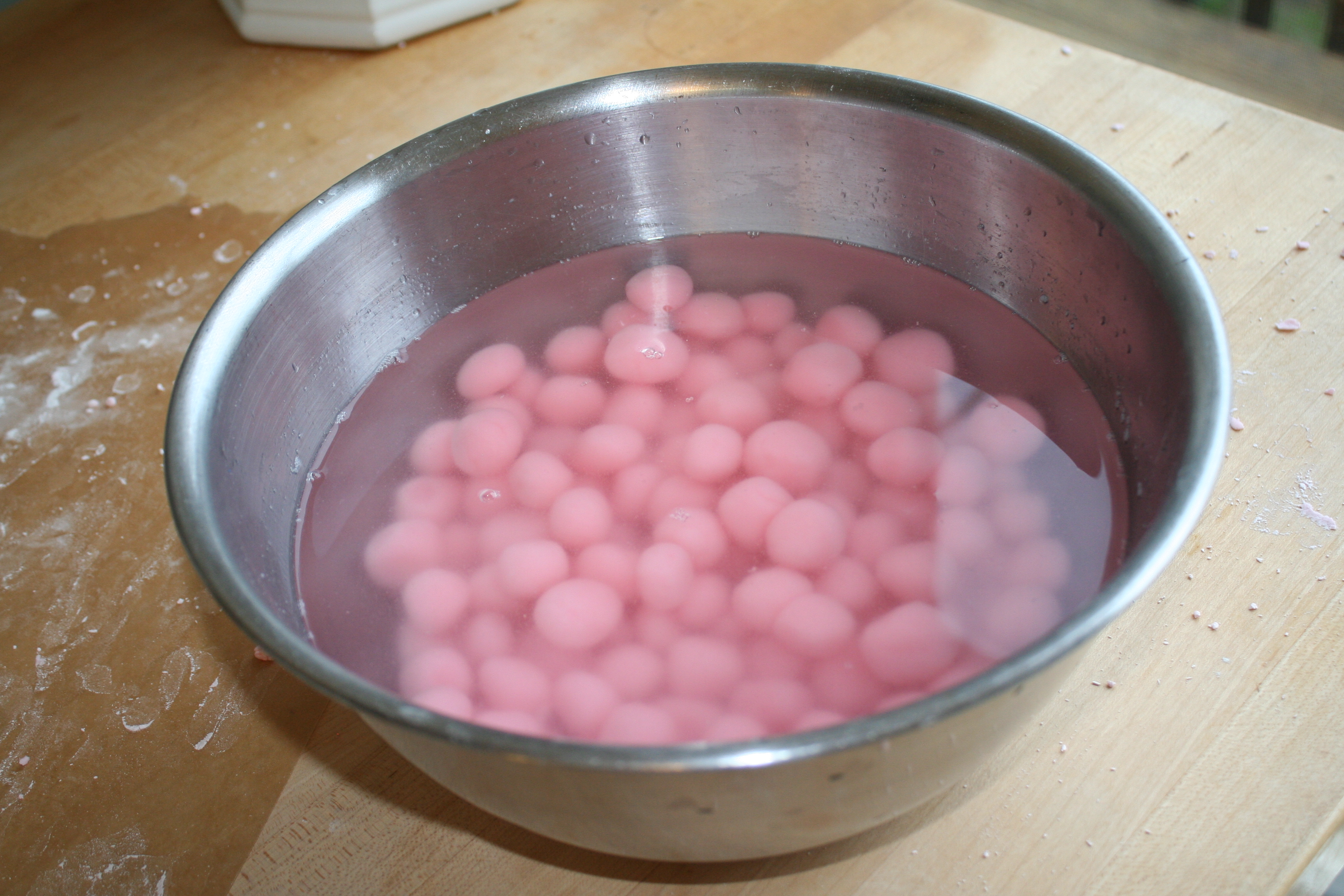
Then you cool them in cold water.
And finally, at 8:00 (school starts at 8:40 and it’s a 20 minute drive away), they were ready to go.
But it was all worth it. The Spring Festival (aka Chinese New Year) that the Starr King Mandarin immersion teachers organized was amazing.
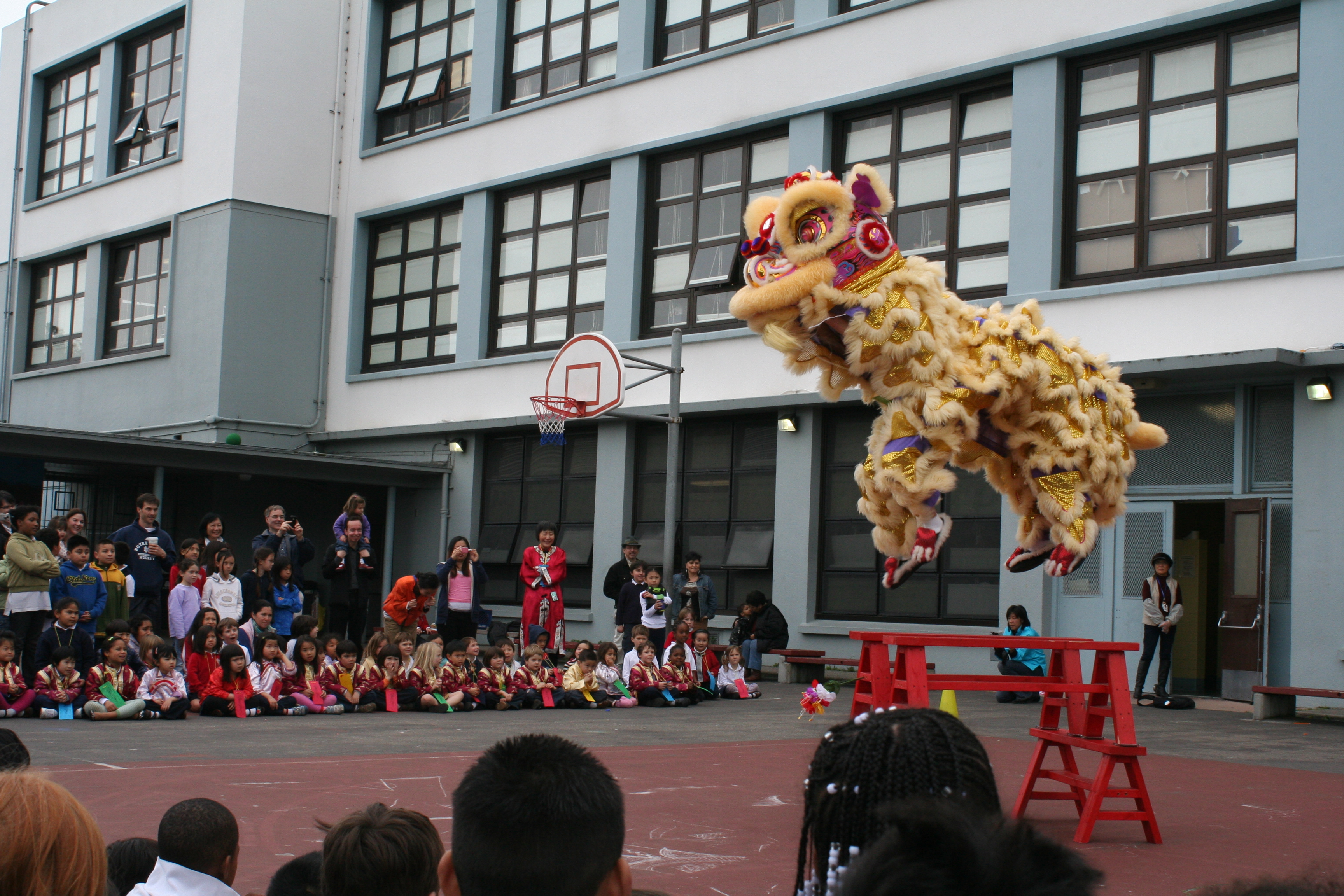
There was a dragon that danced.
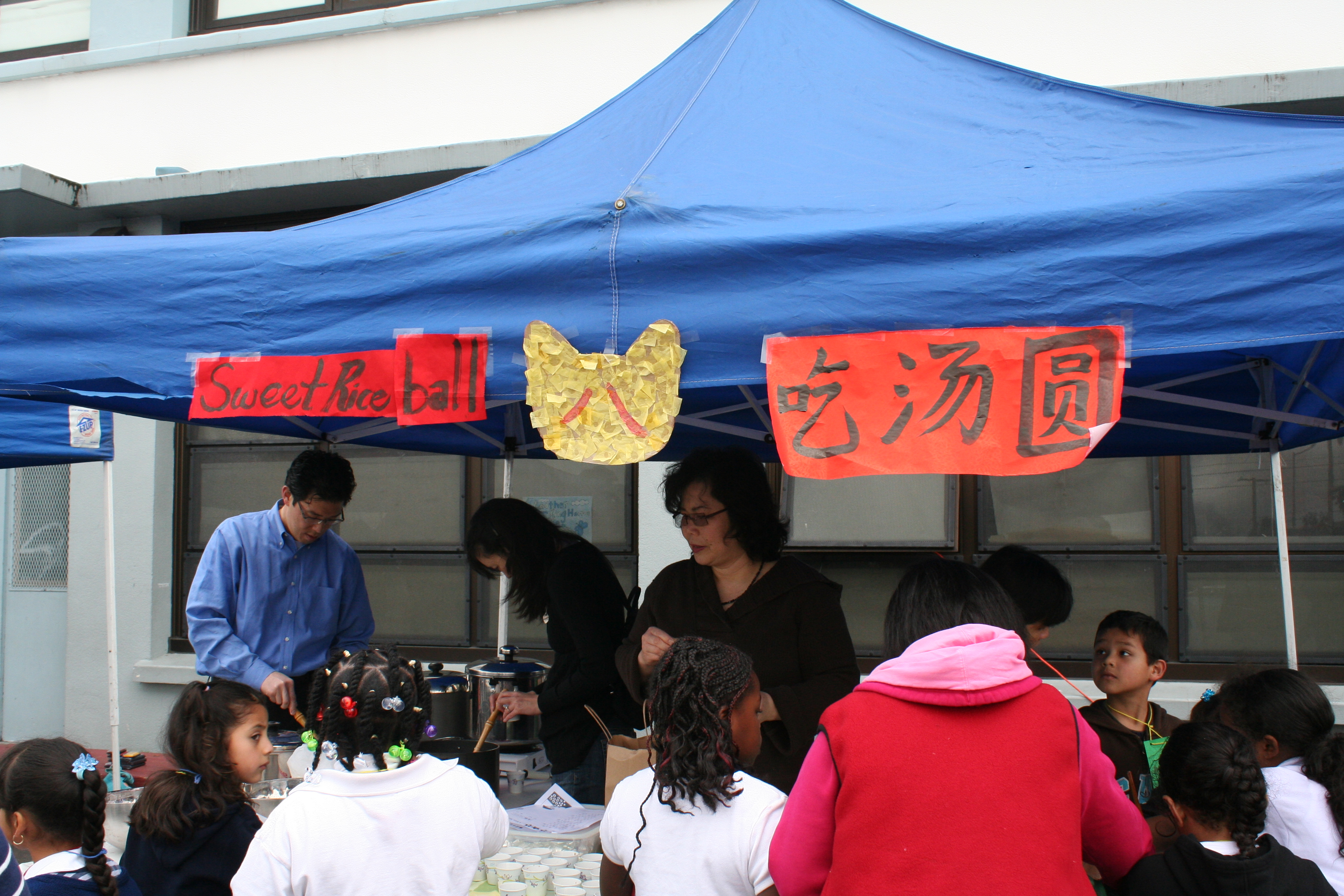
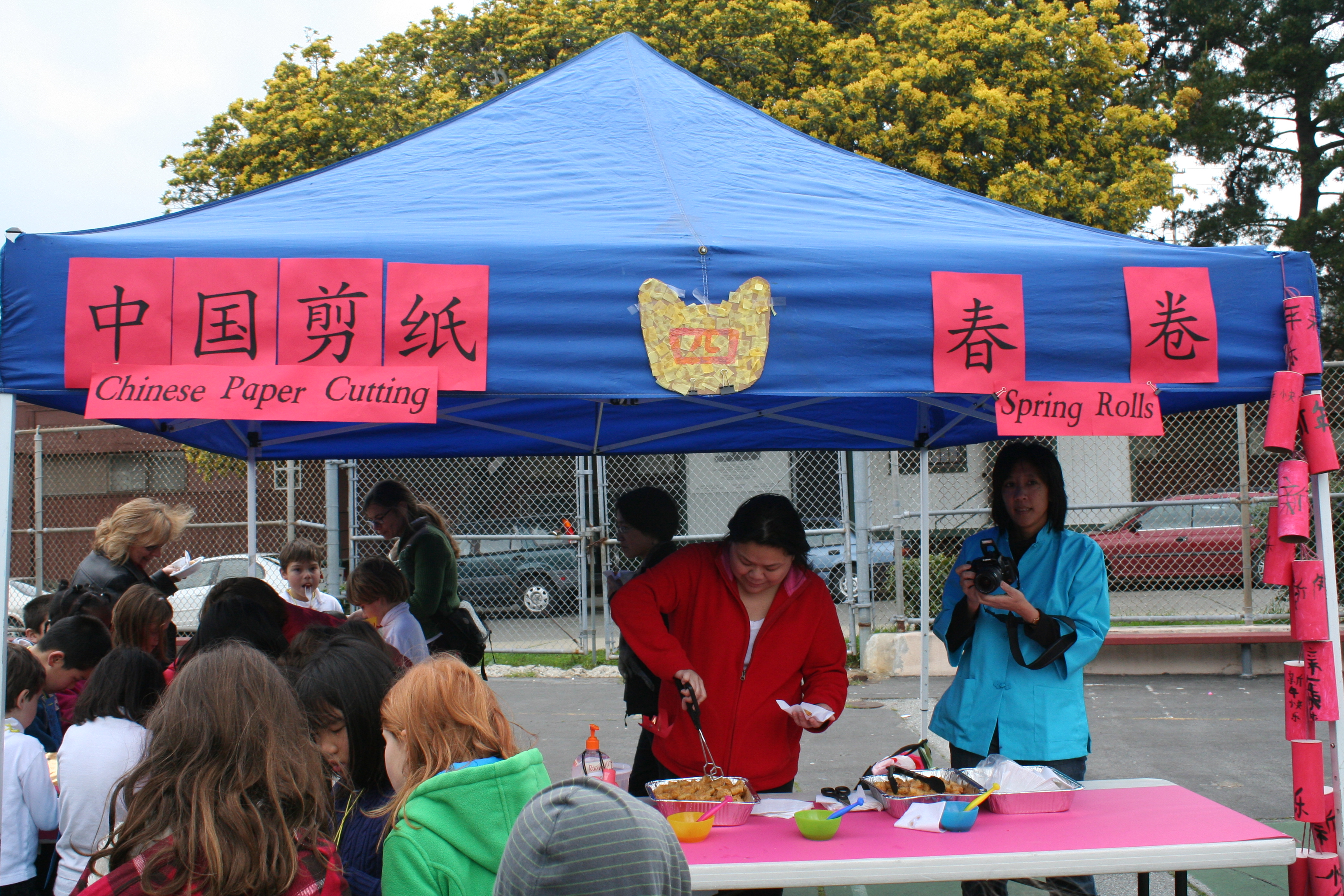
Every child in the school, from the English, Spanish , Mandarin and Special Education programs, took part. There were nine booths, each with an activity and most with some kind of Chinese delicacy,
including our delicious glutinous rice balls.
Each student has a passport they got stamped at each booth.
Mr. Rosenberg, our principal, tried but didn’t do as well as the 1st graders at calligraphy.
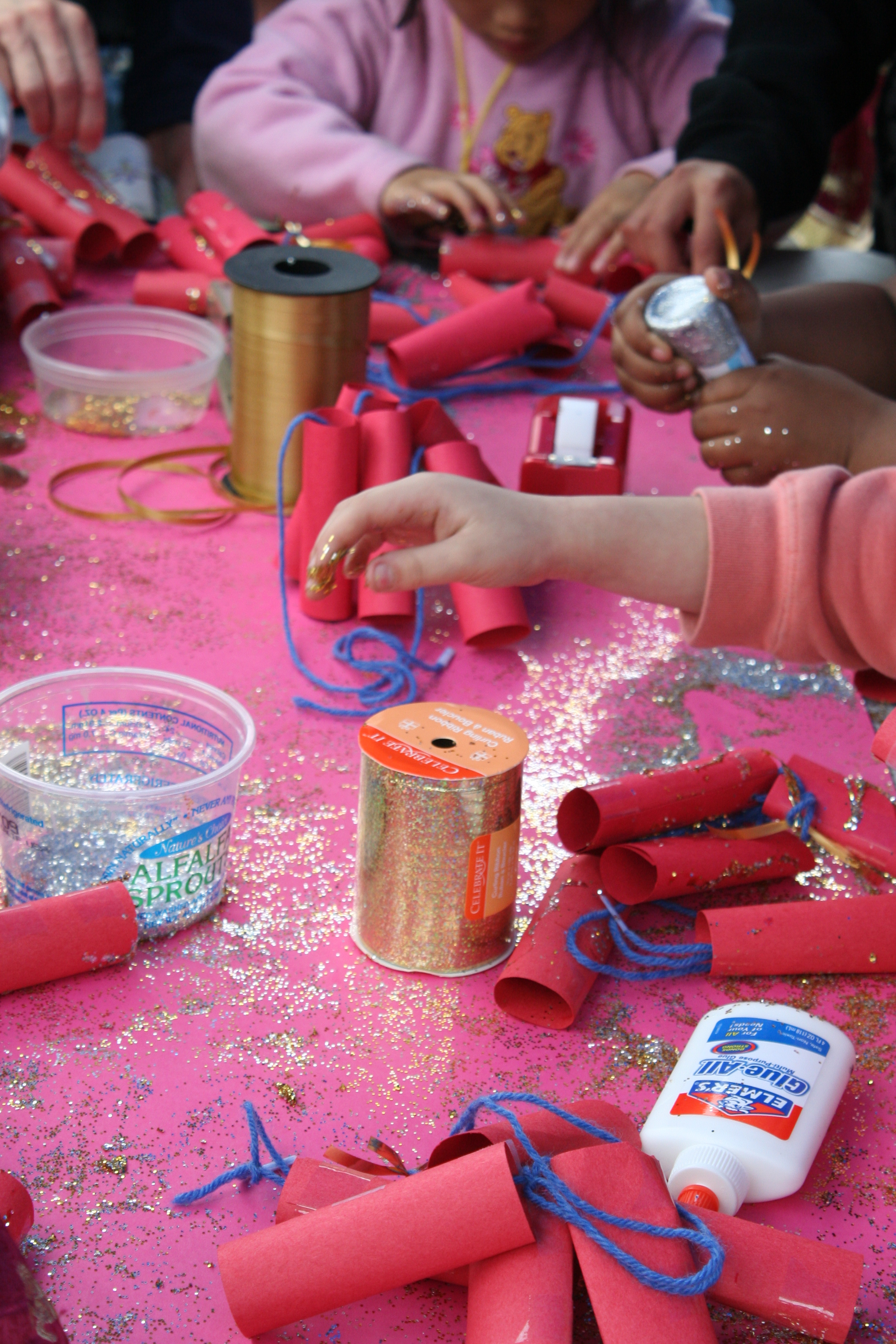
There were crafts
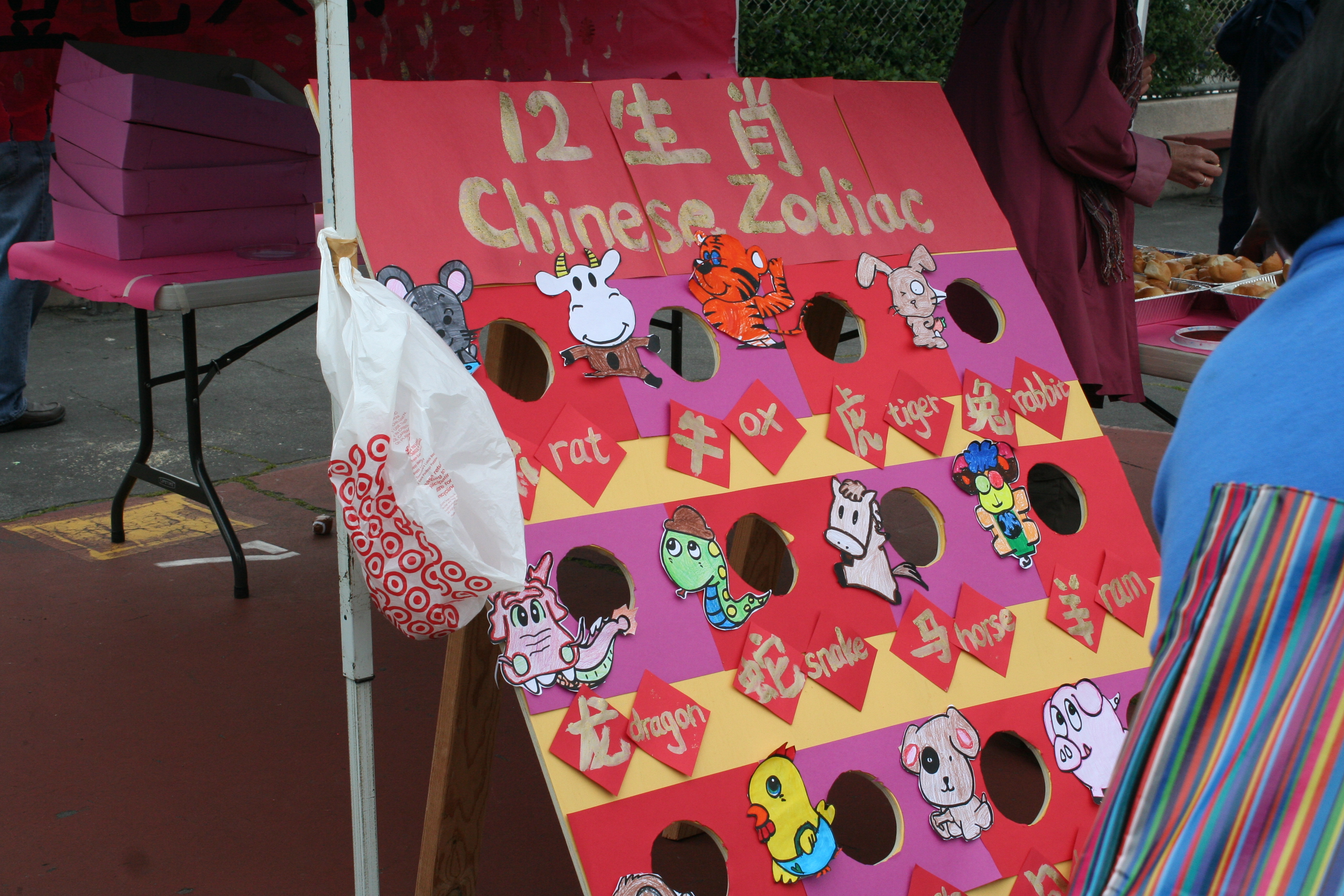
a beanbag toss
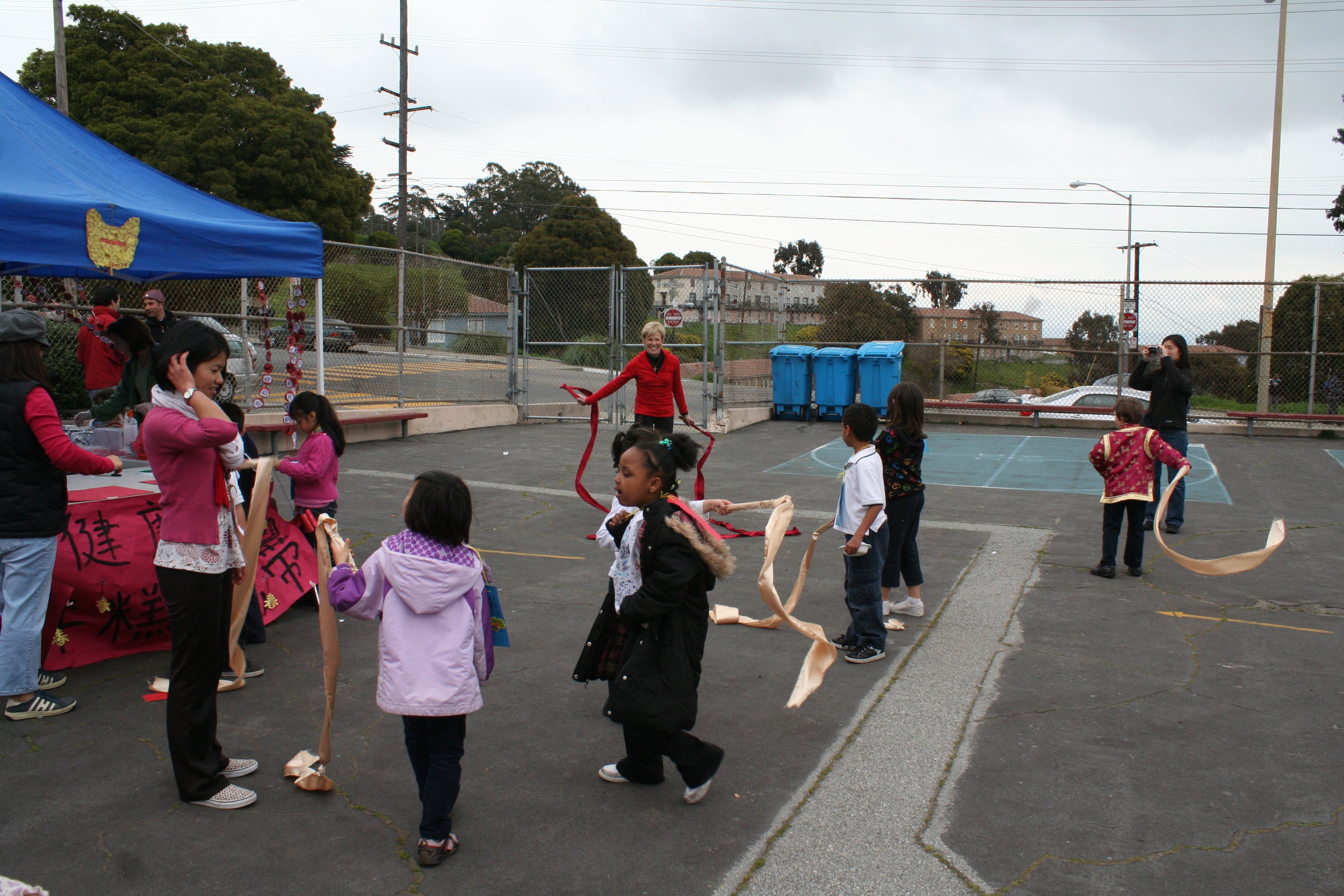
And ribbon dancing.
And the rain didn’t start until all the kids were back in class!
Thanks to Ms. Chang, To, Tong, Sung, Chau, Zeng, Chen & Wang for everything you do for our children, every day, and for an amazing 2010 Spring Festival!
It astounds me sometimes when I heard of people denigrating immigrants who speak their home language with their kids, or who say immersion programs keep kids from learning English. Truth be told, retaining a home language is very, very hard and requires a ton of work and persistence. The amazing thing is that second-generation children ever speak anything but English. Here’s a nice essay about how a language can so easily slip away.
As A Chinese American Mother, I Didn’t Want My Family’s Native Language To End With Me.
The author of The School for Good Mothers on how raising her daughter forced her to confront her relationship with Mandarin.
Why can’t you read?” It was spring 2020. The interrogator was my daughter, who was three at the time. My parents, Chinese and Taiwanese immigrants who came to the U.S. in the 1970s, had gifted her the picture book Guji Guji by Chih-Yuan Chen, which is about a baby crocodile who believes he’s a duck and joins a family of ducks. Hijinks ensue. It’s a tale of acceptance, belonging, and family. Though this version contains an English translation crammed onto the last few pages, all the fun illustrations are in the body of the book, where the story is written in Chinese characters.
I’d like to tell you that I could once read the book in its original language, but actually I never could, despite two valiant years of Chinese courses in college. But as a child, I would have understood the story being read to me, say by my parents or grandmother. At my daughter’s age and through elementary school, I was bilingual. My parents and maternal grandmother spoke to me almost exclusively in Mandarin. I could carry on my side of the conversation. I didn’t feel lost in Mandarin, as I do now.
A private French immersion school in Brooklyn, New York that added a Mandarin track in the 2019-2020 school year failed to open this fall and parents are suing, saying the school owed $6.1 million back rent and demanded tuition deposits while never telling them how dire the financial situation was.
The Science, Language & Arts International School abruptly shut down operations 13 days before school was to start, but kept tuition deposits of up to half the $30,720 families had paid for the year, a class-action suit filed by more than 25 families alleges.
“On August 27, 2021—or 13 days before the scheduled start of the 2021-2022 academic year—Plaintiffs and the putative class received an email sent on behalf of the SLA Board advising them that SLA would not open at all for the 2021- 2022 academic year and that their children would be required to attend school elsewhere,” the suit says.
According to the lawsuit, the school didn’t tell parents that it had not fully paid the monthly rent and real estate taxes due under the lease for its main campus location at 9 Hanover Place in Brooklyn as far back as October 2018.
It also didn’t tell families that on January 29, 2021 the school received written notice from its landlord that its lease on its campus had been terminated effective February 12, 2021 for nonpayment of rent, taxes, fees, or utilities, the suit alleges.
When the landlord began eviction proceedings against the school, it owed unpaid rent of $6.1 million, the lawsuit alleges.
According to the lawsuit, this was happening even as the school told parents they had to pay at least half their tuition to hold a place in the 2021-2022 class.
Some email notes from Jennifer Wilkins, the school’s director, are quoted in the lawsuit:
May 28, 2021
Summary of SLA Community Meeting: “SLA will be in session next year. Your children will have classes, and teachers, and the standard of education that we have always maintained.”
June 2, 2021
Community Q&A: Will SLA be open next year? Will this impact SLA’s ability to go up to 8th grade? Yes, operations will proceed as normal. We still intend to grow to 8th grade.
July 16, 2021
Wilkin, sent an email to the Class categorically stating that “a rumor that SLA might not reopen,” was “not true.”
The school’s website, http://www.sla.org, is no longer in operation. Wilkin’s LinkedIn page still lists her as the director of the school:
“A published author and leader-innovator in education, Jennifer Wilkin is the founding director of Science, Language & Arts International School (SLA), is the owner-director of Bonjour/Hola/Ni Hao NY camps, and consults on matters related to curriculum and language acquisition. Her books have been published by National Geographic Learning, Macmillan, and Cambridge University Press.
Science, Language & Arts International School (SLA) is a Nursery through Grade 8 private school focused on hands-on science, arts, and math, providing children with a rich and rigorous multilingual education in French and Mandarin. SLA is an inclusive, anti-bias school.”
I have reached out to Wilkins via Linked In. I will also remove it from the list of Mandarin immersion schools, which will be updated in the coming week.
The current page at the school’s former website, slaschool.org
It’s becoming easier to find Mandarin immersion preschools in many cities where there are Mandarin immersion school-age programs. But many parents wonder how well they work and what they should be looking for when touring preschools.
Thankfully, our friends over at the Chinese Early Language and Immersion Network (CELIN) at the Asia Society convened a meeting last February to look into the matter. Held in New York City with leaders of the early Chinese education schools, universities, and state initiatives, they have now released an excellent paper on what they found. It’s aimed more at educators than parents, but as with all the CELIN briefs, there’s a lot that will be interesting to parents.
Who are the providers of and key players in Chinese immersion preschool education in 2020–2021? What are the successes and common issues, needs, and challenges that they face?
What does a quality Chinese immersion preschool look like?
What does research inform us about the role and value of preschool education? How does Chinese immersion preschool education contribute to a child’s growth, development in bilingualism and biliteracy, and school achievement over time?
Also, definitely check out their other briefs here.
This is from last year, but as St. Michael’s Catholic Academy is one of only four religious Mandarin immersion programs I know of, it’s interesting to see what they’re up to.
As part of their celebration of Catholic Schools Week, students at St. Michael’s Catholic Academy in Flushing observed the Chinese New Year with a variety of age-appropriate lessons and activities in their classrooms on Friday, Feb. 12.
The activities included studying Chinese artwork, the 12 Chinese zodiac animals, cultural and food traditions, as well as crafting lanterns and making dumplings.
LAKESIDE, Calif. (KGTV) – A couple dozen of the seniors getting ready to graduate from El Capitan High School in June are not only wrapping up their high school careers, but a lifetime of unique cultural and language studies.
The Grossmont Union High School District partners with Lakeside Union School District elementary schools in a program called the Global Language and Leadership Program, which teaches children Spanish and Mandarin starting in Kindergarten, resulting in bilingual and trilingual high school graduates.








 Mandarin Immersion Parents Council