• Forest Hills Public Schools in Michigan is looking to hire an Elementary School Principal for Meadow Brook Elementary.

    Meadow Brook Elementary is a K-4 building that houses both traditional and Mandarin Immersion programs and classrooms in Grand Rapids, Michigan. The application deadline is the end of the month, I believe.

    The link to apply to the posting is here: https://fhps.tedk12.com/hire/ViewJob.aspx?JobID=1416

    It might be interesting for parents in other districts to see what the hiring requirements are:

    Title: Meadow Brook Elementary School Principal 

    Reports To: Superintendent

    Job Summary: The role of the elementary school principal is to serve as the “leader of learning” who fosters a safe, caring, and supportive school learning community, ensures a rigorous curricula, and supports evidenced-based instructional practices and effective assessment strategies in a continuous cycle of improvement that result in high levels of learning for all students. Meadow Brook Elementary is a K-4 building that houses both traditional and Mandarin Immersion program classrooms.

    Qualifications:

    Minimum Qualifications –

    • Valid Michigan teaching certificate with elementary endorsement or coursework
    • Master’s Degree in Educational Leadership, Instruction, or related field
    • Minimum of 5 years elementary classroom teaching experience

    Preferred Qualifications –

    • Valid Michigan administrative certificate
    • Successful experience as a principal, assistant principal, or teacher leader
    • Experience and knowledge in two-way immersion pedagogy and curricula
    • Demonstrated results with raising student achievement for all students including multilingual learners and language immersion students
    • Experience using a State approved teacher evaluation framework

    Key Responsibilities:

    • Support implementation of best English-only and language immersion teaching practices in support of student achievement; observe classrooms regularly and provide feedback to teachers
    • Ensure a clear focus on individualized student learning that is guided by relevant and timely data
    • Create a safe learning environment that promotes equity and high learning expectations for all
    • Demonstrate commitment to continuous improvement of instruction
    • Optimize learning for all students by ensuring a guaranteed and viable curriculum
    • Support the leadership of the School Success Team and school improvement process
    • Engage in and sustain regional, state, national and international partnerships support Mandarin Immersion Program
    • Establish a culture of high expectations for academics, language proficiency, and behavior

    Skills/Knowledge:

    • Student and school performance data
    • Effective practices in curriculum, instruction, and assessment for all student populations
    • Curriculum alignment strategies to ensure focus and coherence within and across grade levels
    • Principles and practices of administrative management, including strategic planning, budgeting, and contract management
    • Legal, ethical, and professional best practices
    • Building relationships and communicating effectively, verbally and in writing, with many different stakeholders (e.g., students, families, staff members, and the broader community)
    • Fostering and maintaining equitable and inclusive learning and working environments for students, families, and employees
    • Experience allocating/managing Title I funding to support student learning

    Dispositions:

    • High expectations for self and others and a belief that all students can learn at high levels
    • Commitment to continuous improvement, using relevant data, and providing/receiving actionable feedback
    • Resilience in the face of challenges and an orientation toward solutions
    • Confidence to lead with humility, authenticity, transparency, and personal responsibility

    Physical Requirements and Working Conditions:

    • Talking: Expressing or exchanging ideas by means of the spoken word; those activities where detailed or important spoken instructions must be conveyed to other workers accurately, loudly, or quickly.
    • Hearing: Perceiving the nature of sounds at normal speaking levels with or without correction, and having the ability to receive detailed information through oral communication, and making fine discriminations in sound.
    • Repetitive motions: Making substantial movements (motions) of the wrists, hands, and/or fingers.
    • The worker is required to have close visual acuity to perform an activity such as: preparing and analyzing data and figures; transcribing; viewing a computer terminal; extensive reading; visual inspection.
    • The worker is subject to both environmental conditions: Activities may occur inside and outside.
    • The worker should provide consistent and reliable attendance.

    The Forest Hills Public School District does not discriminate on the basis of race, color, national origin, religion, age, sex (including pregnancy, gender identity, or sexual orientation), marital status, disability, genetic information, or any other legally prohibited basis in its employment decisions or the provision of services

  • The American Council on Teaching Foreign Languages has a report out,  Making Languages Our Business:  Addressing Foreign Language Demand Among U.S. Employers.

    It’s especially useful now, when it’s not easy to go there to work or study in China. This might make it seem as if Chinese is not useful, but it is! Note the findings below:

    • 9 out of 10 U.S. employers rely on employees with language skills other than English.
    • 56% say their foreign language demand will increase in the next 5 years.
    • 47% state a need for language skills exclusively for the domestic market.
    • 1 in 3 language-dependent U.S. employers report a language skills gap.
    • 1 in 4 U.S. employers lost business due to a lack of language skills. 

    The following paragraphs from the report are most instructive:

    Compared to U.S. employers with foreign language needs on the domestic front only, U.S. employers with at least some foreign language needs internationally have more use for all high-demand languages except Spanish. Most notably, this is the case with Chinese (46 percent vs. 20 percent), French (29 percent vs. 14 percent), Japanese (25 percent vs. 8 percent) and German (24 percent vs. 10 percent). Though Spanish has the highest demand overall, there is no significant difference in demand between groups.

    Currently, 19 million U.S. working-age adults—about 10 percent of the United States’ overall working-age population—are of limited English proficiency. As a result, foreign language skills on the domestic front are proving essential not just in serving and selling to consumers, but in managing and communicating with employees. A majority of U.S. employers (58 percent) say that their employees use their foreign language skills to communicate both internally with colleagues and externally with customers, suppliers and other stakeholders. Another 13 percent say they use their foreign language capacity for internal communication, exclusively.

    Thanks to Peter B. for bringing it to my attention. He’s a proud father of a Georgia student who is working to graduate high school with the Georgia Seal of Biliteracy and Global Seal of Biliteracy in both Spanish and Mandarin, and enter university with college credits in both languages.

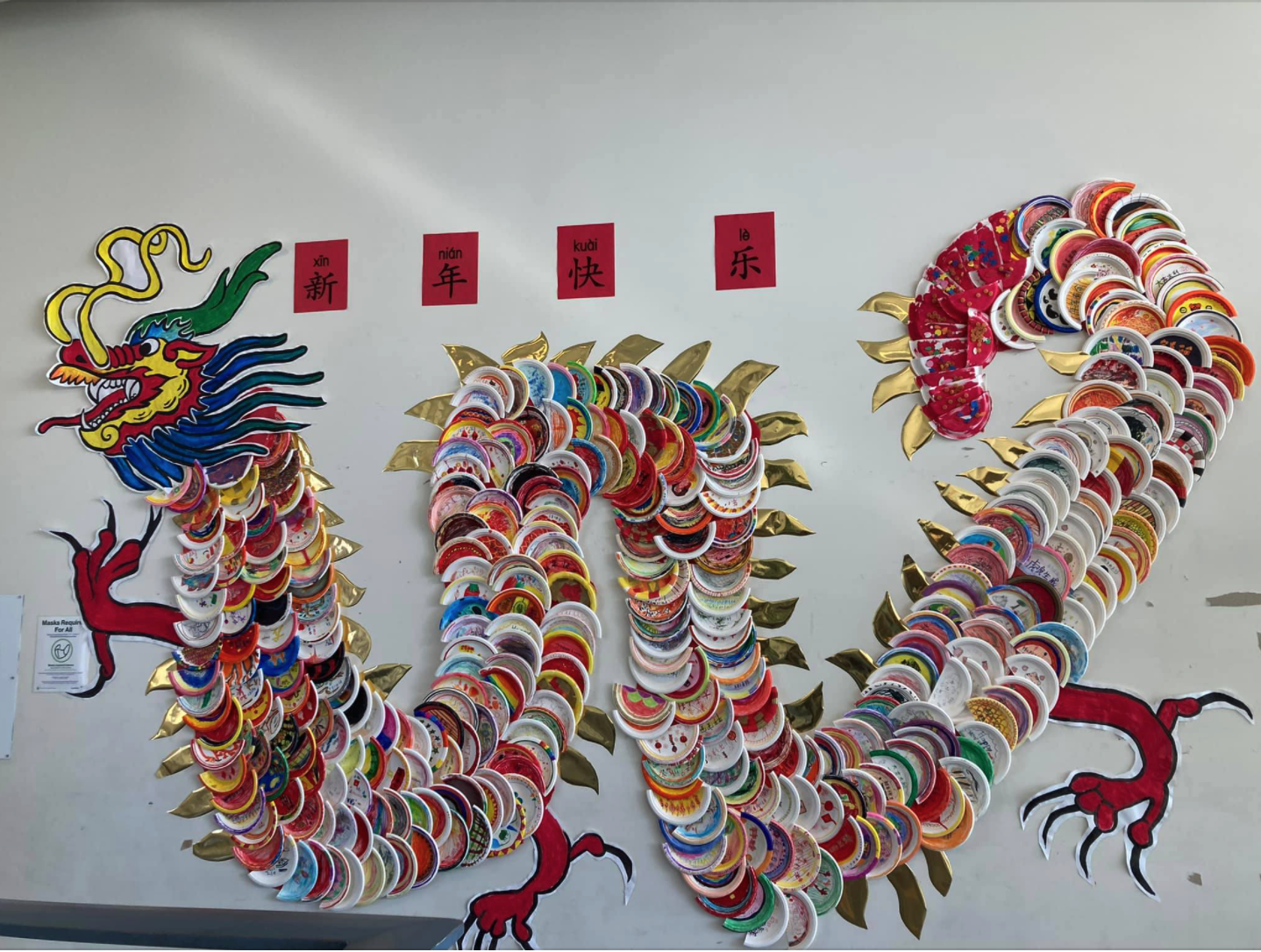
  • A New Year’s decoration from Jose Ortega Elementary in San Francisco, courtesy of Ms. Chang.

    One of the great things about having kids in Mandarin immersion is you get to celebrate the Spring Festival with about 2 billion people around the globe.

    It’s also when news sites tend to write about their local Mandarin immersion programs because adorable kids + fun costumes + “Wow, they speak Mandarin” is always a good news peg.

    So here are three articles, about celebrations in Utah and Casper, Wyoming.

    Utah

    Casper Wyoming (two separate stories, click each word)

    Jordan, Utah.

    Pasadena, California.

    Portland, Oregon

  • Back in 2010, I began this blog when my daughters were in grade school. As we’re just about to Chinese New Year, here’s a reprint of the first post I ever wrote. Happy Year of the Tiger to all the Mandarin immersion parents out there.

    February 26, 2010

    It’s a standing joke in the comics – the kid tells the parent at 7:30 am, “Oh, I’m supposed to bring two dozen cookies to school this morning.”

    But if you’re a parent in Starr King’s Mandarin immersion program, the statement could just as well be “Chen Laoshi said I’m supposed to bring tang yuan to school today.

    Great, the parent asks. What’s a tang yuan?

    The answer, I was informed, is that it’s a dessert made from rice that’s served in a sweet soup.

    Okay. How do you make it? No worries, my 3rd grader tells me, Chen Laoshi (teacher Chen) sent the stuff home in my pack.

    Ah ha, I think. It’s a nice mix, like the ones you see in the Asian section at Safeway. How hard can this be?

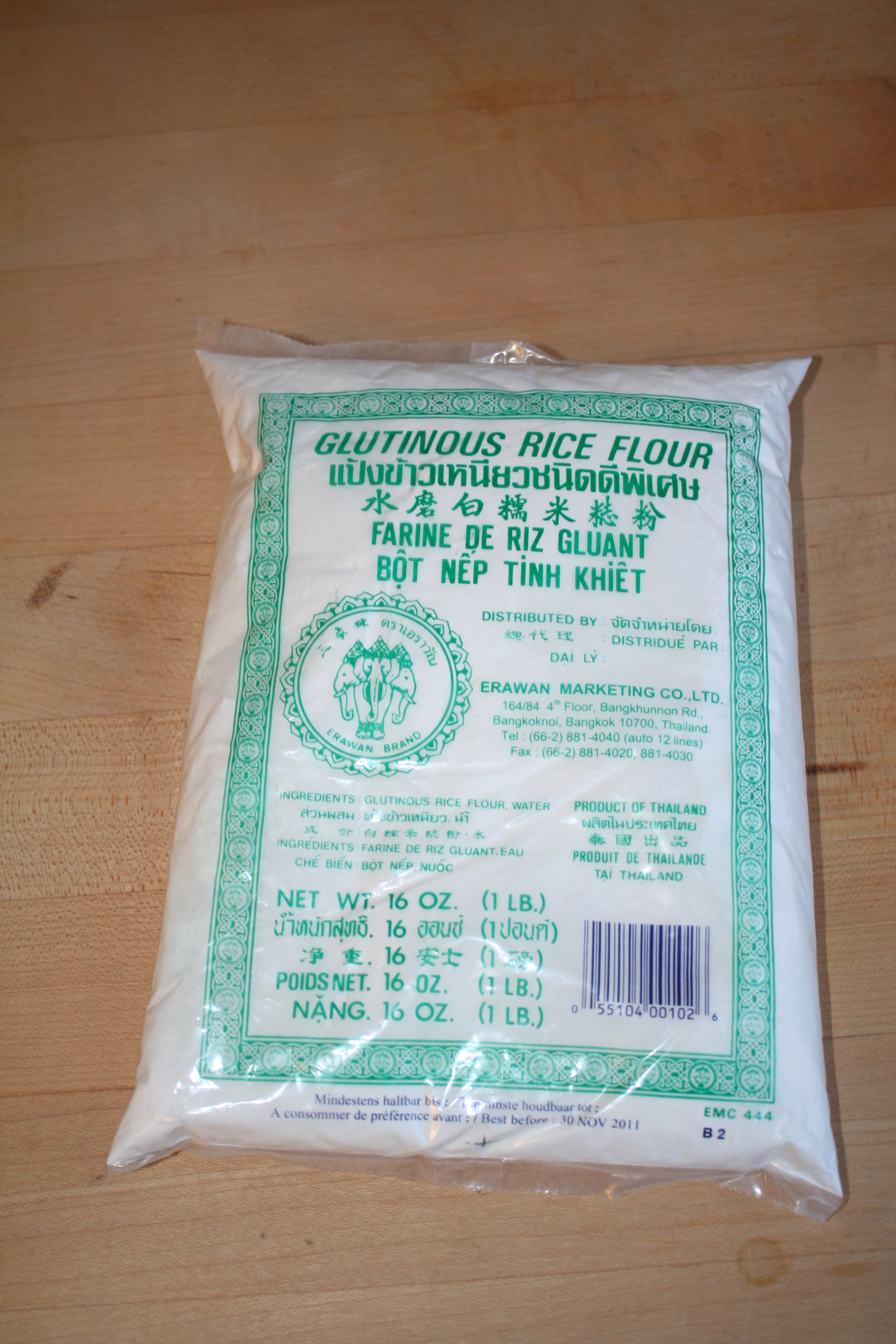
    Then I looked in her pack. And this is what I found.

    Weise-2010-02-19-5532

    Okay. This is nothing a lifetime of relying on The Joy of Cooking has prepared me for. In fact, none of my cookbooks address this particular dilemma. Said 3rd grader is no help.

    Thank goodness for the web. A search of tang yuan (at least our 3rd graders can spell pinyin, I’d have been totally lost if she’d written the characters) didn’t do much, but “glutinous rice ball” turned up a great recipe (fancier than we needed) but most importantly, the photo of the bag was the same – we were on the right track!

    So we began. Mind you, it’s 7:15 am at this point and lunches haven’t been made, hair hasn’t been brushed, breakfast hasn’t been eaten. But rice balls must be made, it’s the Chinese New Year Festival at 1:30 and we’ve got to be ready!

    Weise-2010-02-19-5533

    Another web site suggested adding a little food coloring for interest. My 3rd grader insisted that Chen Laoshi used a package of strawberry jello (later confirmed at school) but we didn’t happen to have any. So food coloring it was.

    Weise-2010-02-19-5538

    After a little somewhat heated discussion about what the texture of the dough should be (“But Ms. Chen said it should be wet!”) we ended up with this.

    Weise-2010-02-19-5539

    Next came the battle of the balls. I wanted big (i.e. more, faster) but the girls were adamant that they had to be little because they got bigger when they were cooked. So we went small.

    Weise-2010-02-19-5540

    Next, you boil the tang yuan to cook them. I started in while the girls were busy rolling.

    Weise-2010-02-19-5548

    And rolling and rolling and rolling.

    Weise-2010-02-19-5545

    Eventually I realized I needed two pots going just to keep up.

    We tasted some at this point. Let’s just say this, tang yuan are very bland. Clearly, it’s all about the sugar soup. They just taste like boiled rice flour with a slightly bitter edge that I still don’t know what was. I think the Thai idea of stuffing them with candied peanuts and then rolling them in coconut is a good one. But they did get bigger.

    Then you cool them in cold water.

    Weise-2010-02-19-5549

    And finally, at 8:00 (school starts at 8:40 and it’s a 20 minute drive away), they were ready to go.

    Weise-2010-02-19-5552

    But it was all worth it. The Spring Festival (aka Chinese New Year) that the Starr King Mandarin immersion teachers organized was amazing.

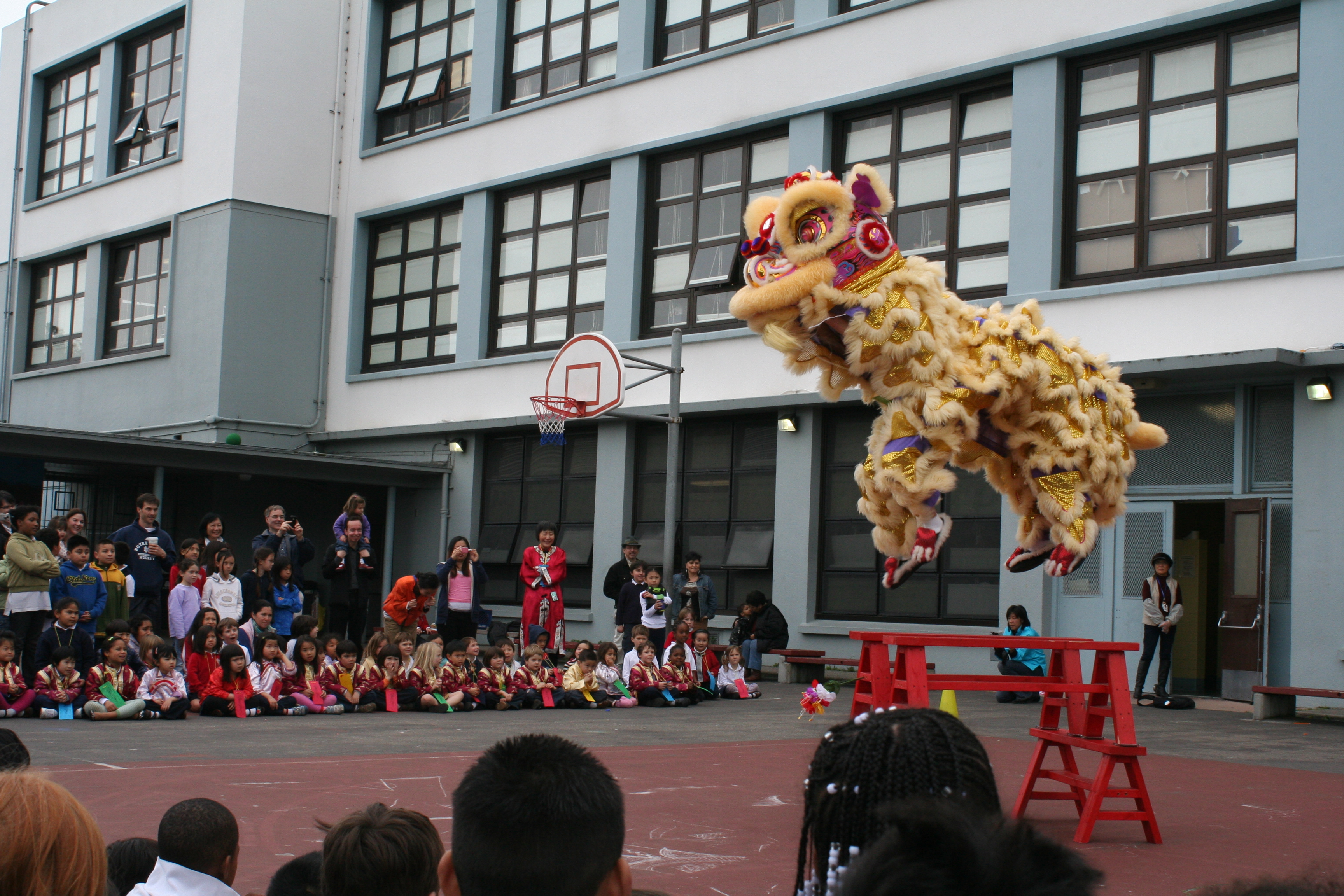
    There was a dragon that danced.

    Weise-2010-02-19-5561

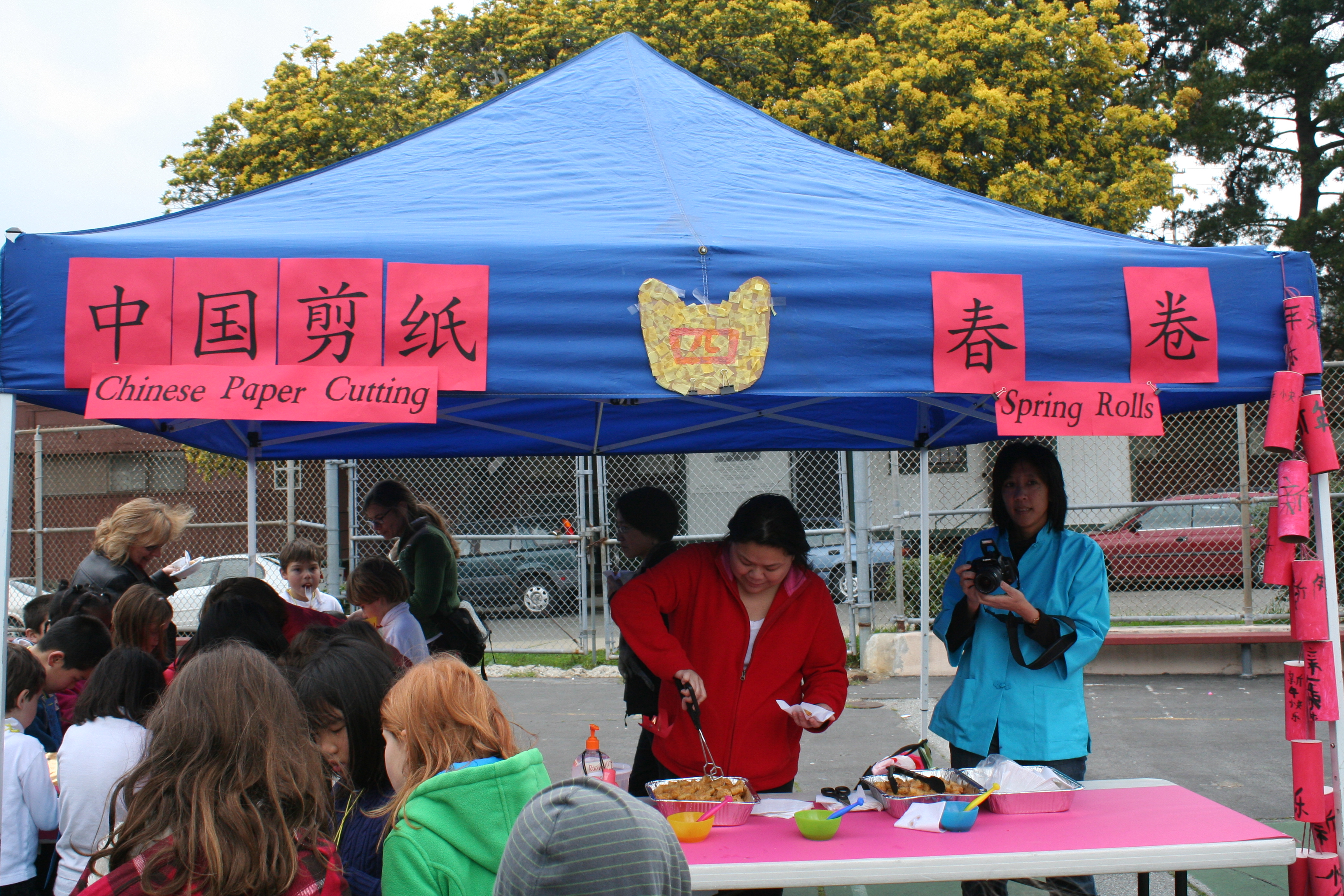
    Every child in the school, from the English, Spanish , Mandarin and Special Education programs, took part. There were nine booths, each with an activity and most with some kind of Chinese delicacy,

    Weise-2010-02-19-5654

    including our delicious glutinous rice balls.

    Weise-2010-02-19-5639

    Each student has a passport they got stamped at each booth.

    Weise-2010-02-19-5646

    Mr. Rosenberg, our principal, tried but didn’t do as well as the 1st graders at calligraphy.

    Weise-2010-02-19-5662

    There were crafts

    Weise-2010-02-19-5669

    Weise-2010-02-19-5693

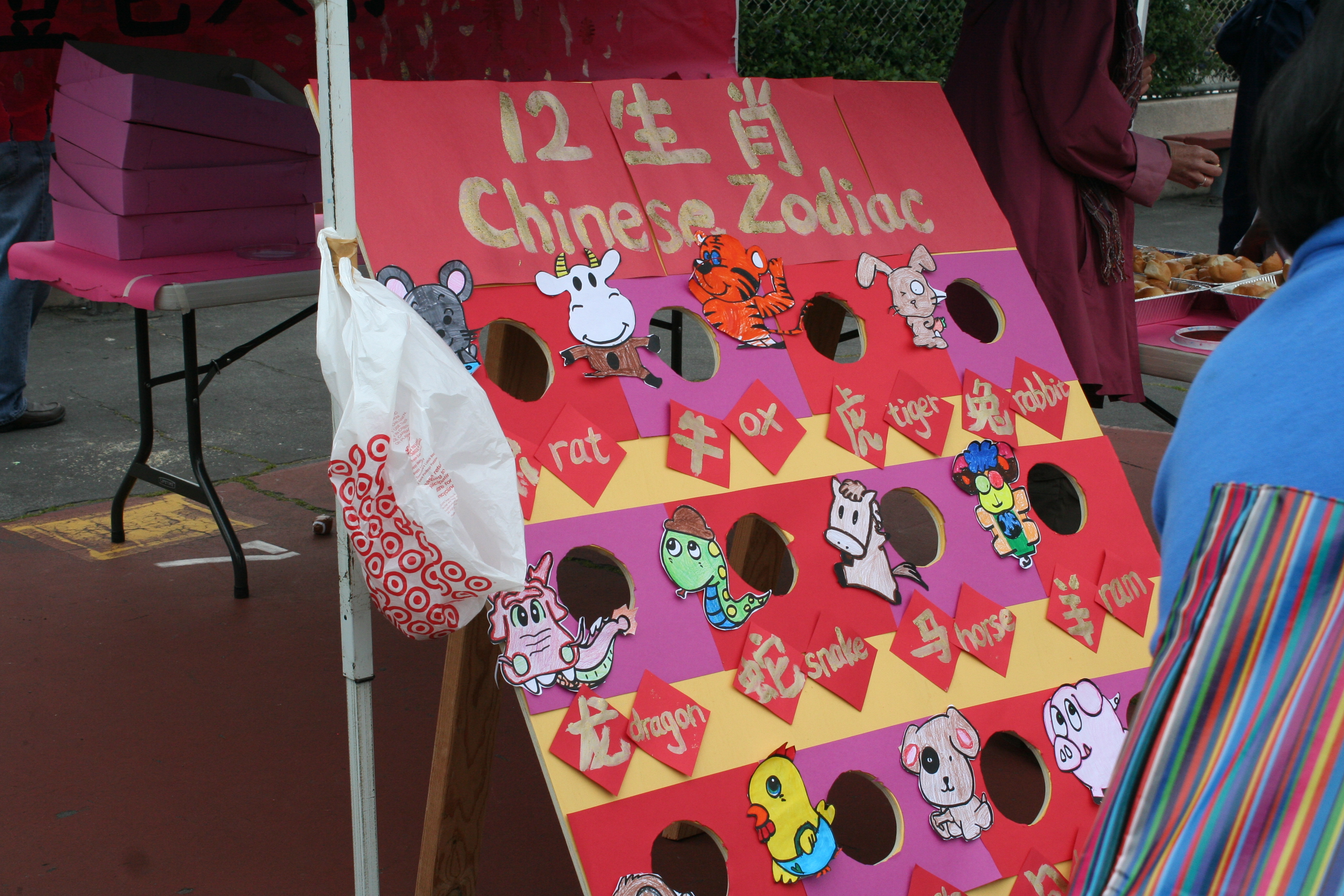
    a beanbag toss

    Weise-2010-02-19-5671

    And ribbon dancing.

    Weise-2010-02-19-5677

    And the rain didn’t start until all the kids were back in class!

    Weise-2010-02-19-5690

    Thanks to Ms. Chang, To, Tong, Sung, Chau, Zeng, Chen & Wang for everything you do for our children, every day, and for an amazing 2010 Spring Festival!

  • It astounds me sometimes when I heard of people denigrating immigrants who speak their home language with their kids, or who say immersion programs keep kids from learning English. Truth be told, retaining a home language is very, very hard and requires a ton of work and persistence. The amazing thing is that second-generation children ever speak anything but English. Here’s a nice essay about how a language can so easily slip away.

    As A Chinese American Mother, I Didn’t Want My Family’s Native Language To End With Me.

    The author of The School for Good Mothers on how raising her daughter forced her to confront her relationship with Mandarin.

    BY JESSAMINE CHAN

    Elle, JAN 4, 2022

    Why can’t you read?” It was spring 2020. The interrogator was my daughter, who was three at the time. My parents, Chinese and Taiwanese immigrants who came to the U.S. in the 1970s, had gifted her the picture book Guji Guji by Chih-Yuan Chen, which is about a baby crocodile who believes he’s a duck and joins a family of ducks. Hijinks ensue. It’s a tale of acceptance, belonging, and family. Though this version contains an English translation crammed onto the last few pages, all the fun illustrations are in the body of the book, where the story is written in Chinese characters.

    I’d like to tell you that I could once read the book in its original language, but actually I never could, despite two valiant years of Chinese courses in college. But as a child, I would have understood the story being read to me, say by my parents or grandmother. At my daughter’s age and through elementary school, I was bilingual. My parents and maternal grandmother spoke to me almost exclusively in Mandarin. I could carry on my side of the conversation. I didn’t feel lost in Mandarin, as I do now.

    Please read more here.

  • A private French immersion school in Brooklyn, New York that added a Mandarin track in the 2019-2020 school year failed to open this fall and parents are suing, saying the school owed $6.1 million back rent and demanded tuition deposits while never telling them how dire the financial situation was.

    The Science, Language & Arts International School abruptly shut down operations 13 days before school was to start, but kept tuition deposits of up to half the $30,720 families had paid for the year, a class-action suit filed by more than 25 families alleges.

    “On August 27, 2021—or 13 days before the scheduled start of the 2021-2022 academic year—Plaintiffs and the putative class received an email sent on behalf of the SLA Board advising them that SLA would not open at all for the 2021- 2022 academic year and that their children would be required to attend school elsewhere,” the suit says.

    According to the lawsuit, the school didn’t tell parents that it had not fully paid the monthly rent and real estate taxes due under the lease for its main campus location at 9 Hanover Place in Brooklyn as far back as October 2018.

    It also didn’t tell families that on January 29, 2021 the school received written notice from its landlord that its lease on its campus had been terminated effective February 12, 2021 for nonpayment of rent, taxes, fees, or utilities, the suit alleges.

    When the landlord began eviction proceedings against the school, it owed unpaid rent of $6.1 million, the lawsuit alleges.

    According to the lawsuit, this was happening even as the school told parents they had to pay at least half their tuition to hold a place in the 2021-2022 class.

    Some email notes from Jennifer Wilkins, the school’s director, are quoted in the lawsuit:

    May 28, 2021

    Summary of SLA Community Meeting: “SLA will be in session next year. Your children will have classes, and teachers, and the standard of education that we have always maintained.”

    June 2, 2021

    Community Q&A: Will SLA be open next year? Will this impact SLA’s ability to go up to 8th grade? Yes, operations will proceed as normal. We still intend to grow to 8th grade.

    July 16, 2021

    Wilkin, sent an email to the Class categorically stating that “a rumor that SLA might not reopen,” was “not true.”

    The school’s website, http://www.sla.org, is no longer in operation. Wilkin’s LinkedIn page still lists her as the director of the school:

    “A published author and leader-innovator in education, Jennifer Wilkin is the founding director of Science, Language & Arts International School (SLA), is the owner-director of Bonjour/Hola/Ni Hao NY camps, and consults on matters related to curriculum and language acquisition. Her books have been published by National Geographic Learning, Macmillan, and Cambridge University Press.

    Science, Language & Arts International School (SLA) is a Nursery through Grade 8 private school focused on hands-on science, arts, and math, providing children with a rich and rigorous multilingual education in French and Mandarin. SLA is an inclusive, anti-bias school.”

    I have reached out to Wilkins via Linked In. I will also remove it from the list of Mandarin immersion schools, which will be updated in the coming week.

    The current page at the school’s former website, slaschool.org
  • It’s becoming easier to find Mandarin immersion preschools in many cities where there are Mandarin immersion school-age programs. But many parents wonder how well they work and what they should be looking for when touring preschools.

    Thankfully, our friends over at the Chinese Early Language and Immersion Network (CELIN) at the Asia Society convened a meeting last February to look into the matter. Held in New York City with leaders of the early Chinese education schools, universities, and state initiatives, they have now released an excellent paper on what they found. It’s aimed more at educators than parents, but as with all the CELIN briefs, there’s a lot that will be interesting to parents.

    Here’s the link to the report.

    These are the questions they sought to answer:

    1. Who are the providers of and key players in Chinese immersion preschool education in 2020–2021?
      What are the successes and common issues, needs, and challenges that they face?
    2. What does a quality Chinese immersion preschool look like?
    3. What does research inform us about the role and value of preschool education? How does Chinese immersion preschool education contribute to a child’s growth, development in bilingualism and biliteracy, and school achievement over time?

    Also, definitely check out their other briefs here.