Schools place priority on making global connections
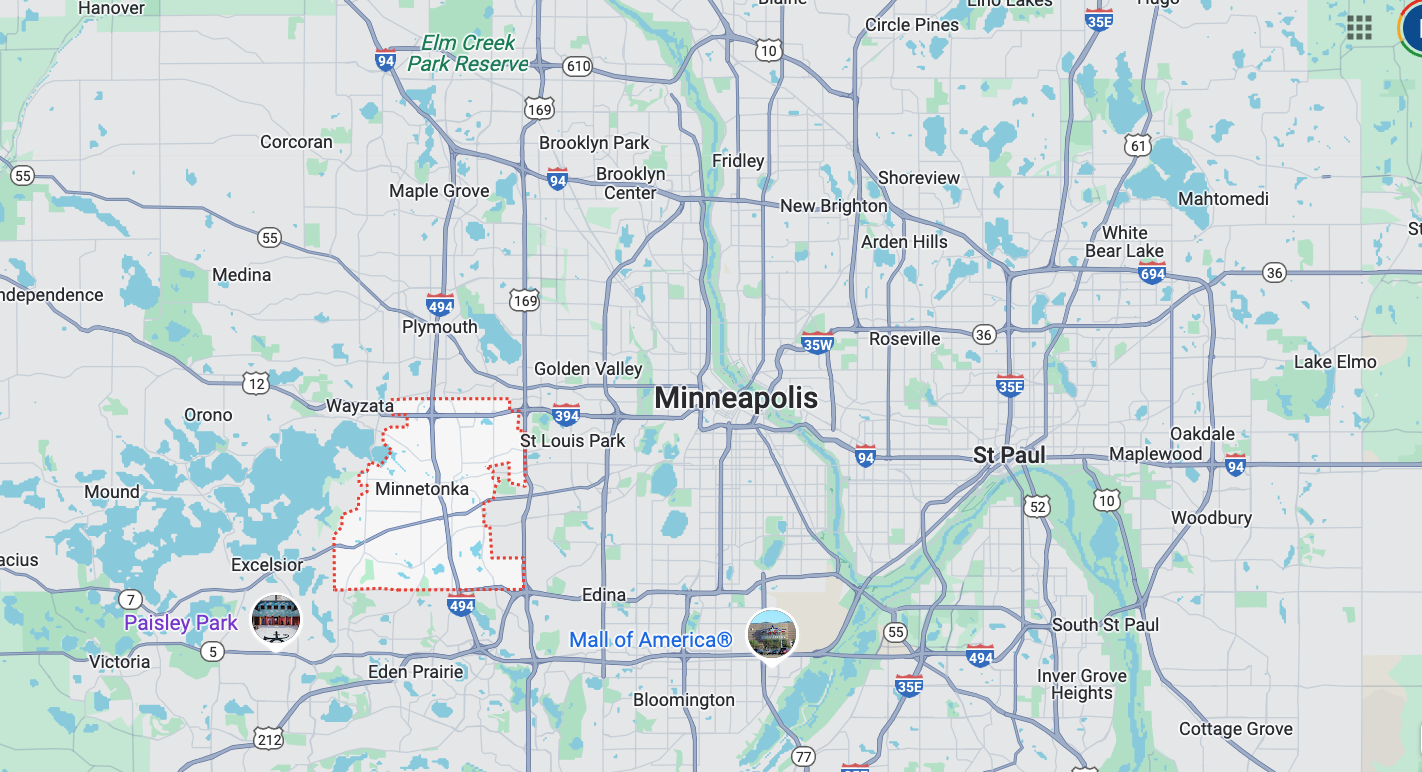
Editor’s Note: This continues a series about the reinvention of local public schools in the 21st century. The stories focus on how technology, globalism and government intervention have changed School District 112 and Minnetonka School District.
By Forrest Adams
A team of student teachers from Chile is teaching in Minnetonka schools this spring.
A total of 18 students from abroad are spending their school year in the Minnetonka School District, and last week, a group of students from the Netherlands and China spent time in Minnetonka on a short-term exchange.
In December, students and staff from District 112 traveled to China to forge ties with educators and students there.
Living in an age of global markets and social networking, the increased interaction between educators and students in countries separated by thousands of miles is increasing. Technology, now widely available, coupled with the ease of travel, has enhanced what used to be an occasional pen-pal letter with a “friend” overseas.
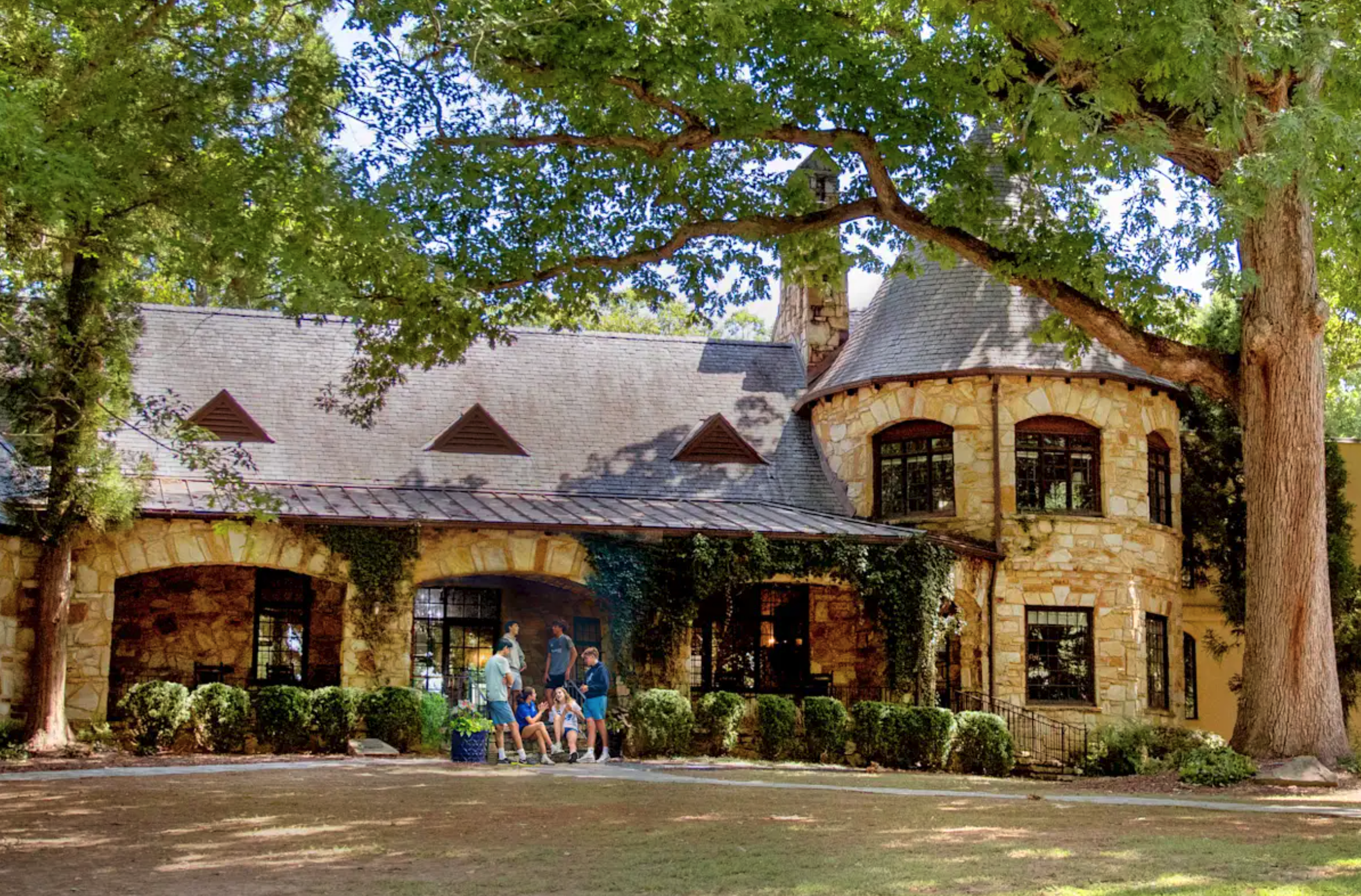
Atlanta International School(AIS)’s upcoming recruiting trip to Chinais just one of the institution’s efforts to extend its multilingual, culturally diverse academic experience to families at home and abroad.
AIS’s student body is a blend of about half expatriate families and half locals living in the Atlanta area. But in 2025, thanks to the school’s new boarding program on its Sandy Springs campus, students from around the world will be coming to live and study.
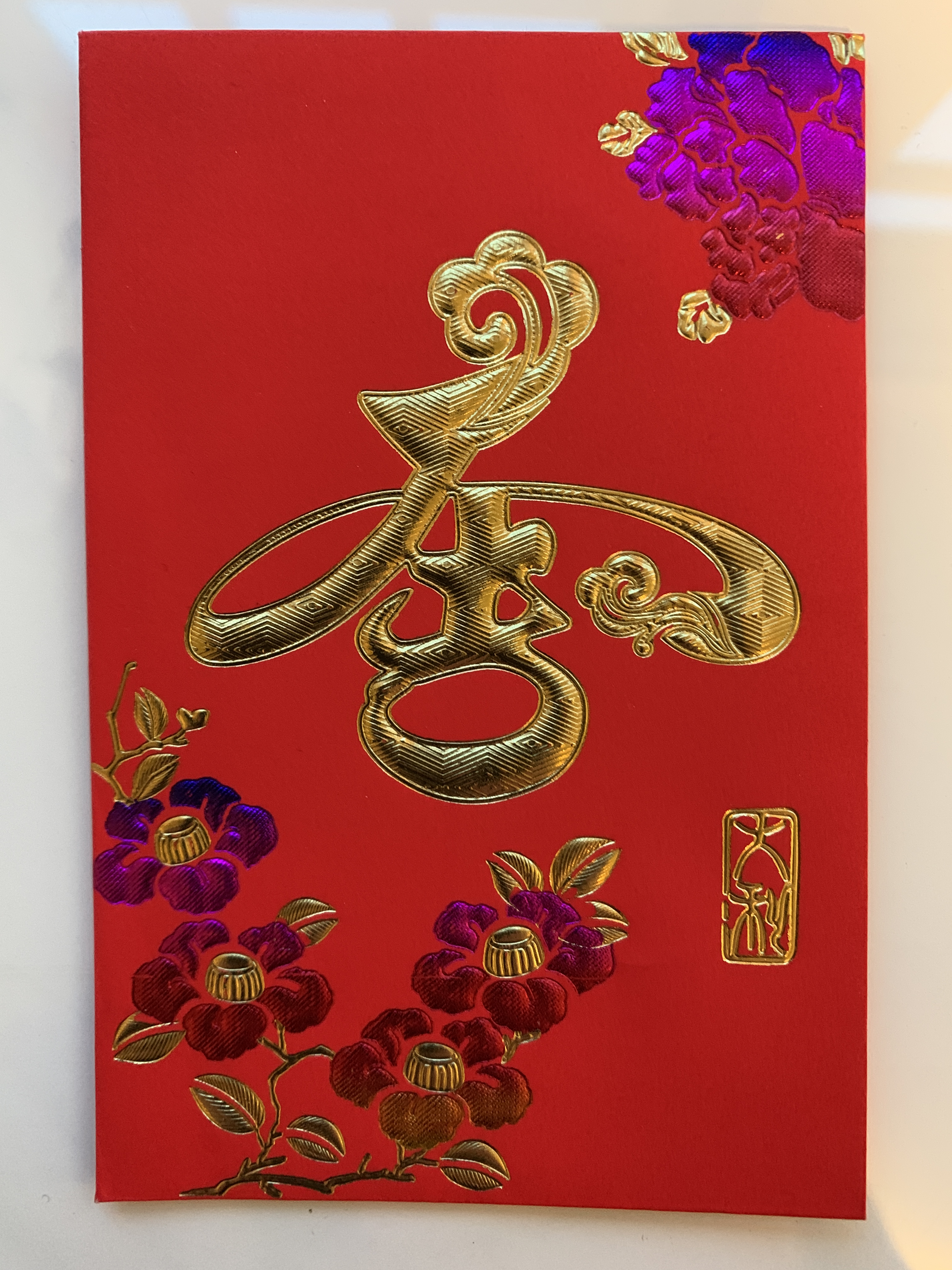
January 29 is the lunar New Year and a happy Year of the Snake or Year of the Serpent to all those born under that sign.
Although we might have bad associations with snakes, in the Chinese zodiac they are linked to wisdom, charm, elegance, and transformation and people born in the Year of the Snake are thought to be intuitive, strategic, and intelligent.
If you’d like a very deep dive into that zodiac info about this year (It’s the near of the wood snake) you can read all about it here.
But mostly the lunar New Year (also known as the spring festival) is a time to eat good food and visit with friends and family. Here’s wishing everyone a happy, healthy and good new year.
And if you want to celebrate like they do in China, you’ll not only have a great meal with family but you’ll watch the totally over-the-top annual Spring Festival Gala, which is kind of a mix between our New Year’s shows and the old variety shows many of us grew up with, with a sprinkling of the old Jerry Lewis Muscular Dystrophy Association telethon.
Though you might have to search around a bit online or on your cable/subscriptions to find it.
Brouke Brookins couldn’t understand a word his teacher was saying on his first day of kindergarten at Jie Ming Mandarin Immersion Academy.
“We were sitting on the carpet in a circle, all of us, and the teacher walked over and just started speaking another language,” he said. “I remember looking left and right, and I was like, ‘I don’t know what she’s saying. I don’t know if she’s greeting us or what.’”
The same thing happened the next day, and the day after that.
It took several months before Brookins, a member of the first class to complete St. Paul Public Schools’ full K-12 Mandarin-immersion program, finally began to comprehend some words in Mandarin — at school and in his dreams.
“I started dreaming in Chinese, and that’s when I realized, ‘Oh, I know this,’ and the next day at school, all of us were, like, understanding the teacher,” he said. “It started like that. First, we understood what she was saying, but we could not quite speak it yet, and then we transitioned from just understanding what she was saying to us to actually being able to speak it and communicate with each other outside of just talking to the teacher in the class setting.”
Despite tough standards and barriers, Baltimore County is approved for its second charter school
WYPR Baltimore, April 2024
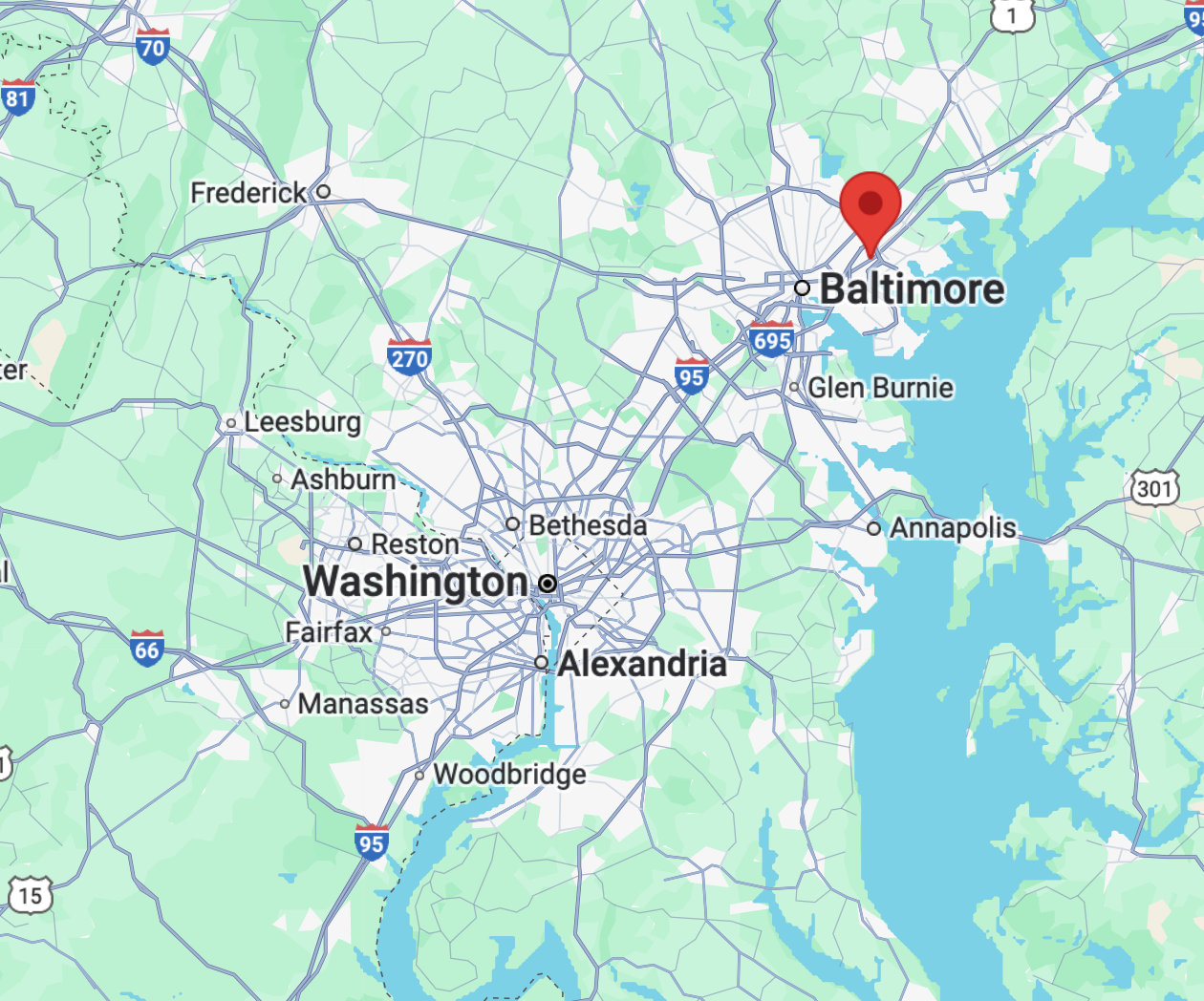
Baltimore County residents will gain a new language-immersion charter school in September 2025, becoming only the second charter option in the district — and the first to open since 2019.
On Tuesday night, county school board members unanimously voted to approve the application for Bilingual Global Citizens Public Charter School. The school will offer instruction half in English and half in French or Chinese starting with kindergarten through third grade, and adding a grade each year until they enroll eighth graders.
Here’s the school’s website. And here’s what they say about the program:
The Bilingual Global Citizens Public Charter School offers a Balanced Dual Language Immersion Program, providing students with a 50/50 split between instruction in Chinese or French and English. Starting in kindergarten and continuing through fifth grade, students are fully immersed in both languages to develop fluency and literacy. Each day is divided between two dedicated teachers—one for Chinese or French instruction and the other for English—ensuring high-quality, language-specific education throughout students’ formative years.
The day is divided equally between both languages. The English-speaking teacher focuses on English language arts and other subjects, while the Chinese or French-speaking teacher covers Chinese or French language arts as well as portions of math, social studies, science, and other topics aligned with the Maryland State Core Curriculum. This balanced approach provides students with a well-rounded, bilingual education.
This K-5 immersion model seamlessly transitions into middle school (grades 6-8), offering a cohesive K-8 immersion experience. The middle school curriculum emphasizes language, literacy, and cultural studies, while preparing students for higher proficiency through alignment with the AP World Language and Culture coursework, setting the foundation for university-level language pathways.
Note that these schools are still offering Chinese and still have Chinese majors, they’re just not getting the additional support they had from the flagship program.
That leaves eight Mandarin Flagship programs open at these schools:
Western Kentucky University
University of Rhode Island
University of Mississippi
University of Minnesota
Indiana University
University of North Georgia
Hunter College
Arizona State University
Defense Department Cuts 13 of its Language Flagship Programs
Linguists are concerned about the implications the elimination of these programs may have on foreign relations.
The U.S. Department of Defense is withdrawing funding for more than a third of the 31 language flagship programs it supports at 23 universities across the country.
The move, which a department spokesperson said in email was driven by a “Congressional change in funding,” caught the linguistics community by surprise as one of the latest examples of declining support for postsecondary foreign language education.
“The decision by the National Security Education Program under the U.S. Department of Defense to terminate funding for the [University of Oregon’s] Chinese Flagship in 2024 was shocking, given the national strategic security interest in promoting professional-level language proficiency in languages like Chinese and Korean,” Zhuo Jing-Schmidt, director of the Chinese Flagship Program at the University of Oregon, said in an email.
I don’t write much about international schools on this blog as it’s focused on U.S. K-12 schools. That said, there is a section for international schools on my list of Mandarin immersion schools here.
I heard from an old friend from San Francisco recently about a surprising shift in Hong Kong, though, and thought I would share.
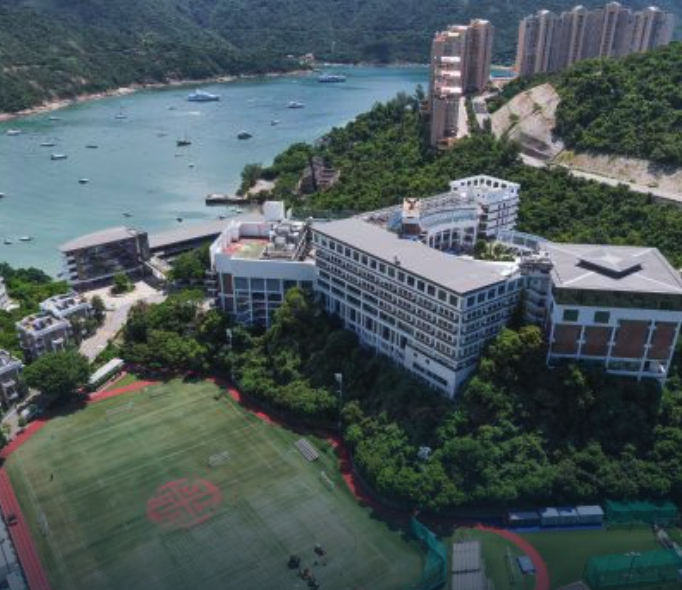
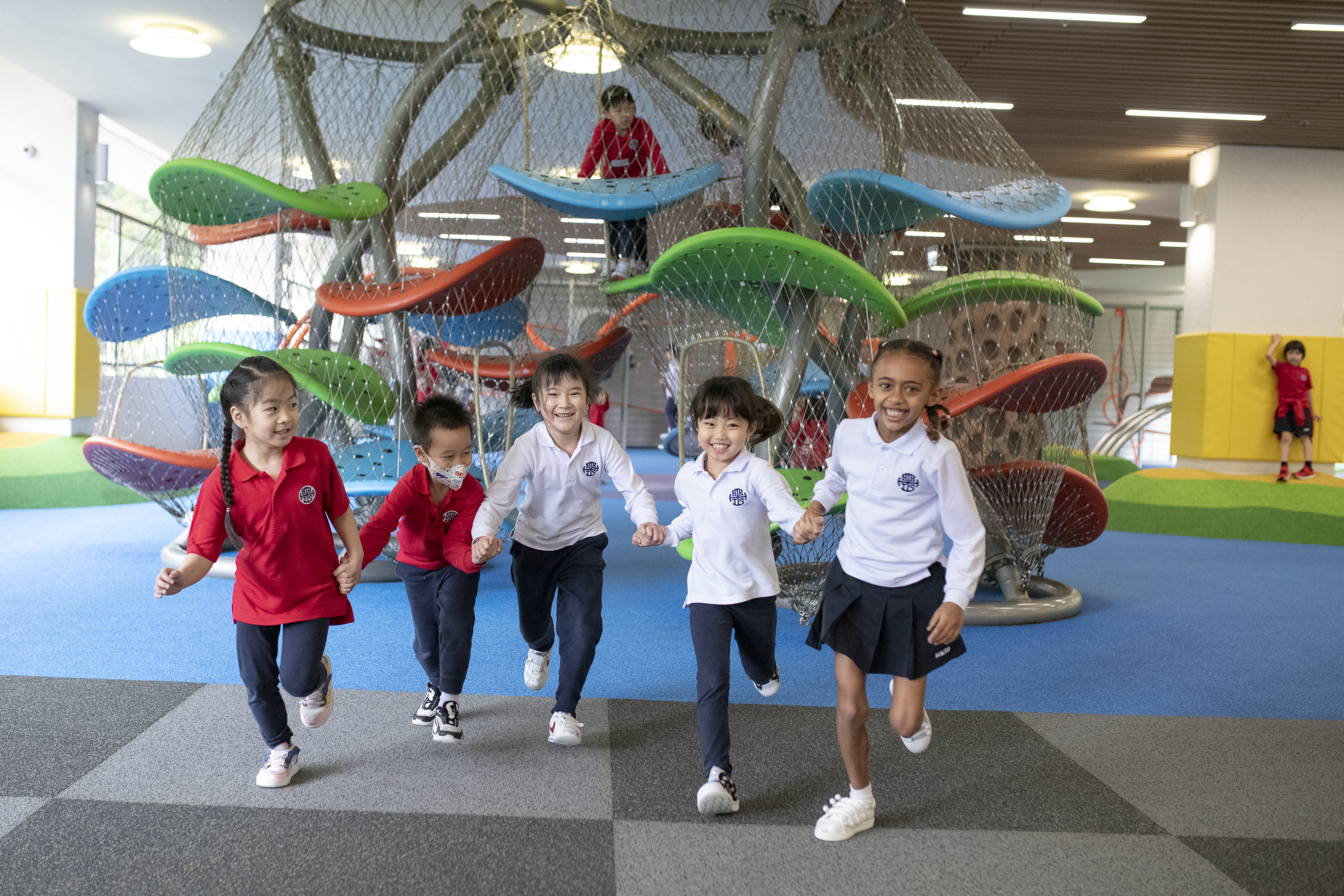
Hong Kong International School (HKIS) is an American-style Pre-K – 12 school in Hong Kong that was founded in 1966. It was started by the Lutheran Church-Missouri Synod and is still a school grounded in the Christian faith. Today it has over 3,000 students at two campuses, about 1,200 of whom are U.S. citizens.
And, interestingly for an American school on a Cantonese-speaking island, it’s adding a full Mandarin immersion program (which the school calls a dual language immersion program) next year. It will be available for those families who chose it for their incoming Reception 1 class, what in the U.S. we would call a Pre-Kindergarten class of four-year-olds. About 20% of the next incoming Reception 1 class will be in the immersion program.
(Asian schools tend to be big, Hong Kong International School has ten incoming classes for four-year-olds.)
The dual-language immersion program will launch in the fall of 2025. It’s being led by Kevin Chang, who spent many years at the oldest Mandarin immersion school in the United States (and possibly the world), the Chinese American International School in San Francisco.
HKIS has offered Mandarin as a subject for a long time, but adding an immersion track is new.
There are of course many internationally focused schools across Asia that are bilingual, offering an English-language education while also teaching Chinese. But true immersion, where at least half the academic day is taught in Chinese and half in English, is still rare though growing
While Hong Kong is still predominantly Cantonese speaking, Mandarin is increasingly important as it’s the official language of China, there so adding Mandarin rather than Cantonese immersion was “a natural and easy decision,” Chang said, especially since HKIS already has a full Mandarin language program, in which both simplified and traditional Chinese characters are offered. The immersion program will teach simplified Chinese characters, the ones used in China, rather than the traditional characters still in use in many parts of Hong Kong.
 Mandarin Immersion Parents Council